
W42 · October 2026
Metadata persistence gets teeth, agent infrastructure gets real
The IPTC launched a public scoreboard for metadata preservation this week, naming which news publishers strip photographer credits and which don't. Meanwhile, MCP servers are moving from demo to deployment, and lifecycle marketing teams are automating image workflows that used to take hours.
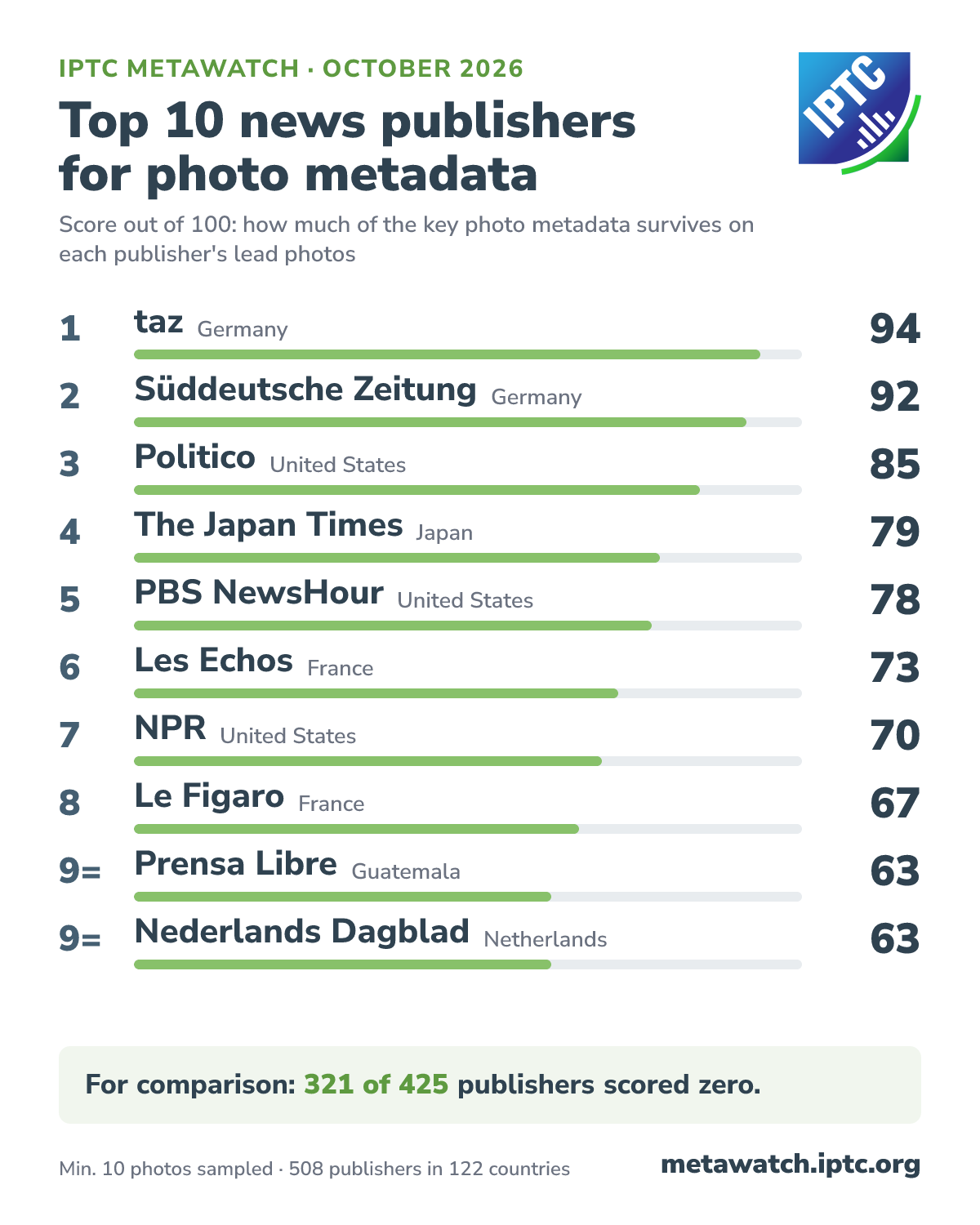
IPTC launches Metawatch: a monthly scoreboard for photo metadata preservation ↗
The IPTC has launched Metawatch, a free, open monitor that checks every month whether more than 500 news publishers in 122 countries keep the credits, captions and rights information embedded in their photographs. The first results show how little has changed since 2018, which publishers have fixed their sites, and why keeping metadata matters more […] The post Announcing Metawatch: a monthly check on which news publishers keep photo metadata appeared first on IPTC.
Read on IPTC →TL;DR · Why it matters
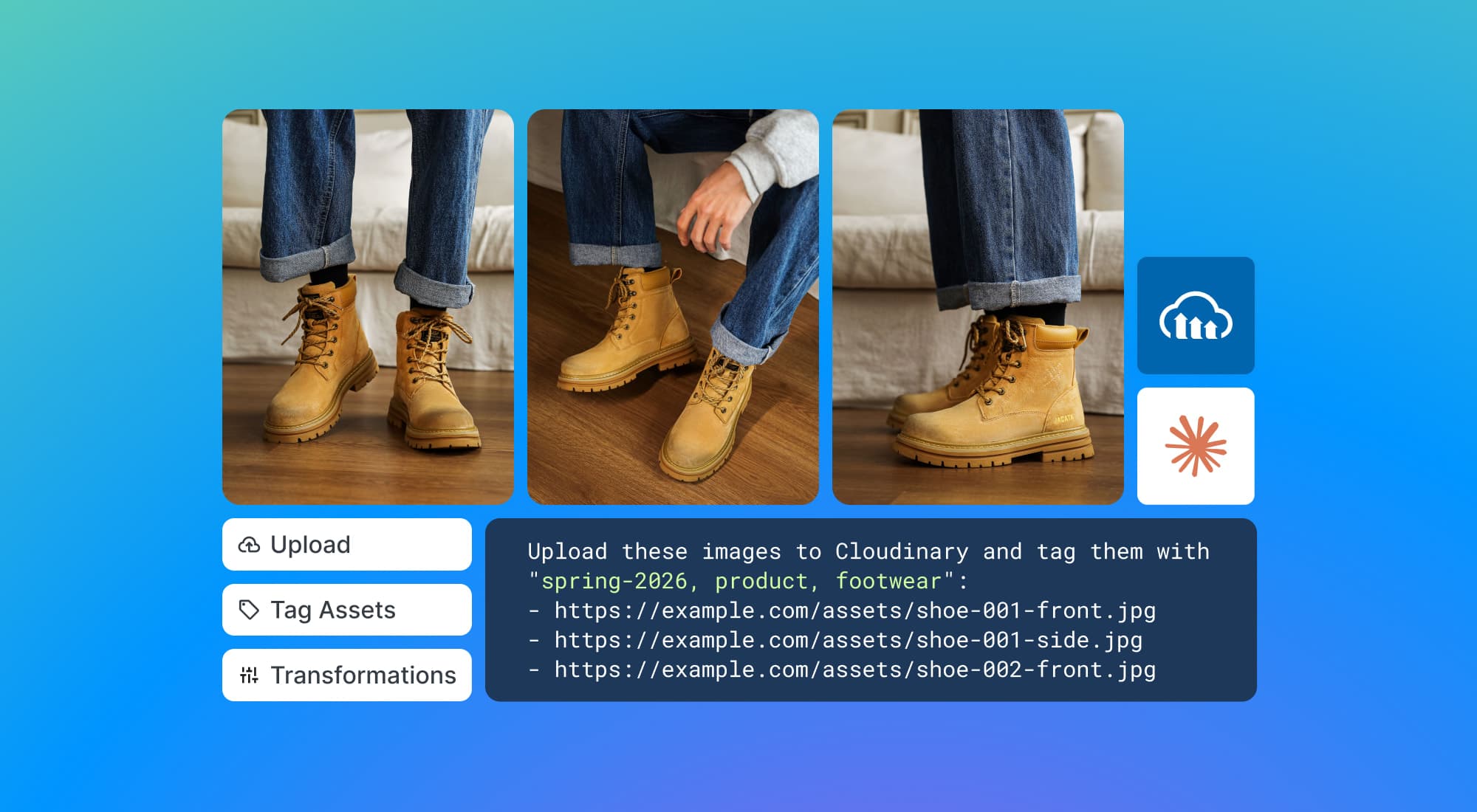
Cloudinary ships an MCP server for uploading and managing media assets ↗
If you manage media assets for a growing product, you know the challenge. Hundreds of new images, videos, and files arrive every week. Each one needs to be uploaded, organized, tagged, and optimized before it can go live. Doing this manually leads to duplicate assets, inconsistent tags, and files scattered across folders. Cloudinary MCP (Model […] The post Upload and Manage Media Assets at Scale With Cloudinary MCP appeared first on Cloudinary Blog.
Read on Cloudinary Blog →TL;DR · Why it matters

Bogg Bag cuts email personalization workflow from hours to five minutes with Klaviyo and Cloudinary ↗
Bogg Bag has sold more than 7 million of its signature beach bags and built a loyal, highly organic social following. Alicia Barreto, who leads lifecycle marketing at Bogg Bag, has been with the company for a little over a year and a half, managing email and SMS as a self-described “resident in-house data nerd.” […] The post Q&A: Bogg Bag’s 5-Minute Klaviyo + Cloudinary Workflow Increased Engagement by 19% appeared first on Cloudinary Blog.
Read on Cloudinary Blog →TL;DR · Why it matters
Bynder Connect Amsterdam focused on AI agents and the Bynder MCP server ↗
Bynder Connect Amsterdam 2026 went all in on AI agents and the Bynder MCP server. A Stacks DAM consultant shares what stood out and what to do next.
Read on Stacks Blog →TL;DR · Why it matters

Bynder publishes a how-to guide for similarity search in DAM ↗
TL;DR · Why it matters
Extensis Portfolio named a leader by G2 Crowd and trend-setting product by KMWorld ↗
We’re excited! Extensis has been recognized by two reputable organizations. Our Digital Asset Management solution, Portfolio 2017, was named a “leader” by popular user review site, G2 Crowd. Portfolio was also recognized as “Trend-Setting Product of the Year” by KMWorld magazine. On top of the grid! G2 Crowd uses a grid to help prospects find […] The post Extensis Portfolio Recognized as DAM Leader & Trend Setter in 2017 appeared first on Extensis.com.
Read on Extensis (Portfolio) →TL;DR · Why it matters
Resource of the week
How to tell if your DAM is actually working
Run through the diagnostic to find out whether your DAM is solving the problems it was meant to solve, or just creating new ones.
Run the diagnostic →Field Notes
- StandardsIPTC presented on media provenance and GenAI at the Trust in Archives Initiative symposium in Bergen, Norway.
- ToolPeter Krogh recommends Negative Lab Pro for converting film negatives in Lightroom, calling it a significant improvement over manual curves.
What metadata accountability mechanism would move the needle in your organization?