DAM Cowboy
Search

W28 · July 2026

The tools are coming to the assets (and the assets to the tools)

Two trends converged this week. First, DAM vendors began embedding their libraries inside the creative and martech tools teams already use. Second, platforms started deploying AI agents that work inside asset repositories without human prompting. Both shifts reduce context switching and both demand cleaner foundations than most organizations currently maintain.
Cloudinary Blog
topic/integration-native-accessCloudinary Blog

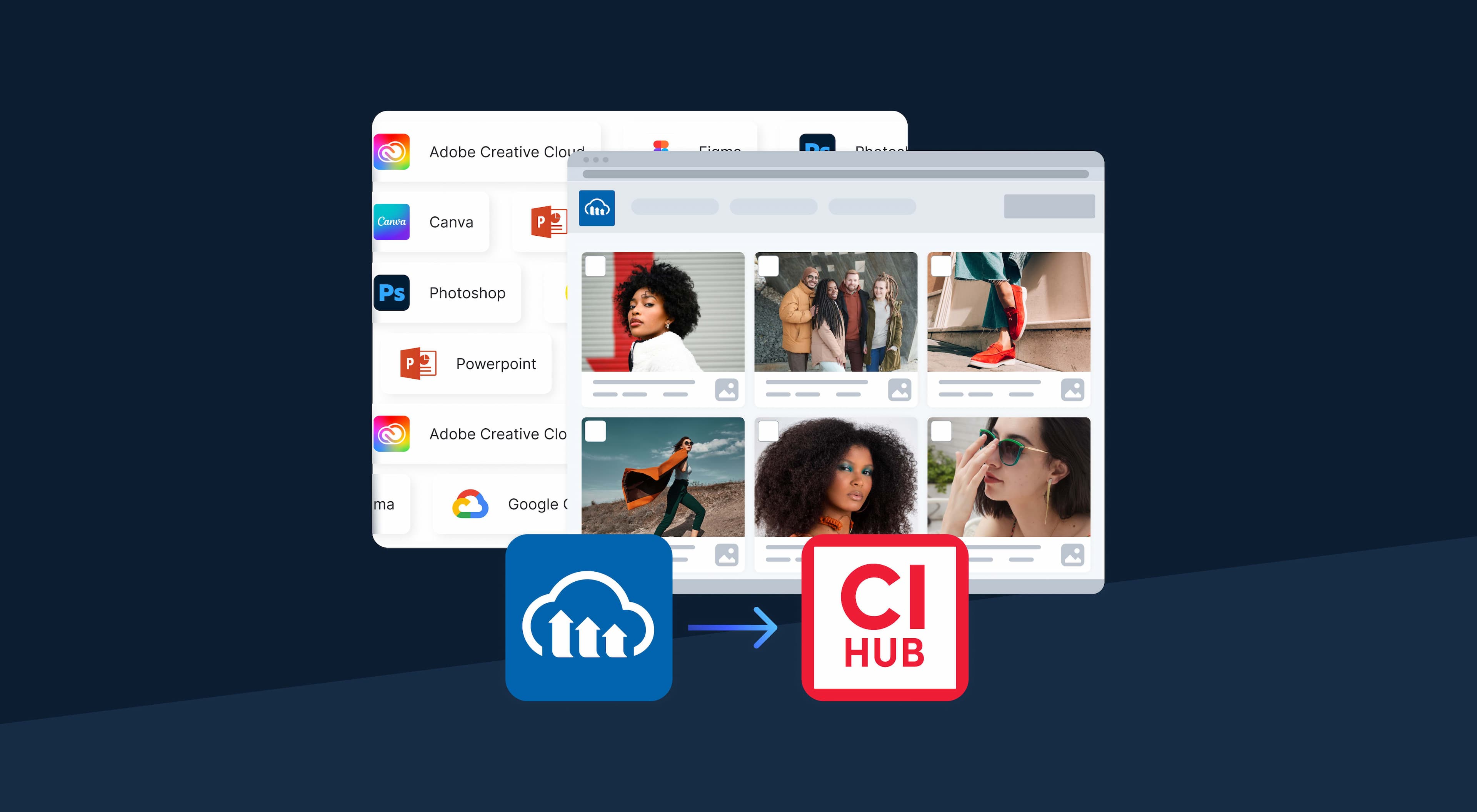
Cloudinary launches integrations that bring approved assets into creative tools

Creative and marketing teams rely on more applications than ever, but finding the right asset still often requires switching between tools, downloading and uploading files, and risking using outdated or off-brand assets. Cloudinary’s latest prebuilt integrations powered by CI HUB remove that friction by enabling teams to search and embed brand approved assets directly inside […] The post Announcing New Cloudinary Integrations: Access Approved Brand Assets Inside Your Preferred Tools appeared first on Cloudinary Blog.

Read on Cloudinary Blog

TL;DR · Why it matters

Cloudinary's CI HUB now connects approved brand assets directly into Adobe Creative Cloud, Canva, and other tools where creative teams already work. The pitch is simple: stop downloading and re-uploading files across platforms. The catch is equally simple: this only works when your metadata and approval workflows are clean enough to know which assets belong in which tool. Integration solves distribution problems, but it exposes taxonomy problems faster than most teams expect.
Permalink & share
Acquia Blog
topic/ai-agents-in-damAcquia Blog

Acquia introduces four AI agents that work inside your DAM without prompting

Acquia DAM is introducing AI agents that actively work in your asset library — the Curator, Producer, Guardian, and Strategist. Here's what's coming and why it matters.

Read on Acquia Blog

TL;DR · Why it matters

Acquia DAM is deploying named AI agents (Curator, Producer, Guardian, Strategist) that perform library tasks autonomously. This is distinct from auto-tagging or chatbot assistants. These agents monitor, organize, flag issues, and generate reports in the background. The model assumes clean data structures; an agent trained on inconsistent metadata will operationalize the inconsistency. Organizations that have invested in controlled vocabulary and governance will see compounding returns. Those that have not will see compounding noise.
Permalink & share
IPTC
topic/c2pa-media-provenanceIPTC

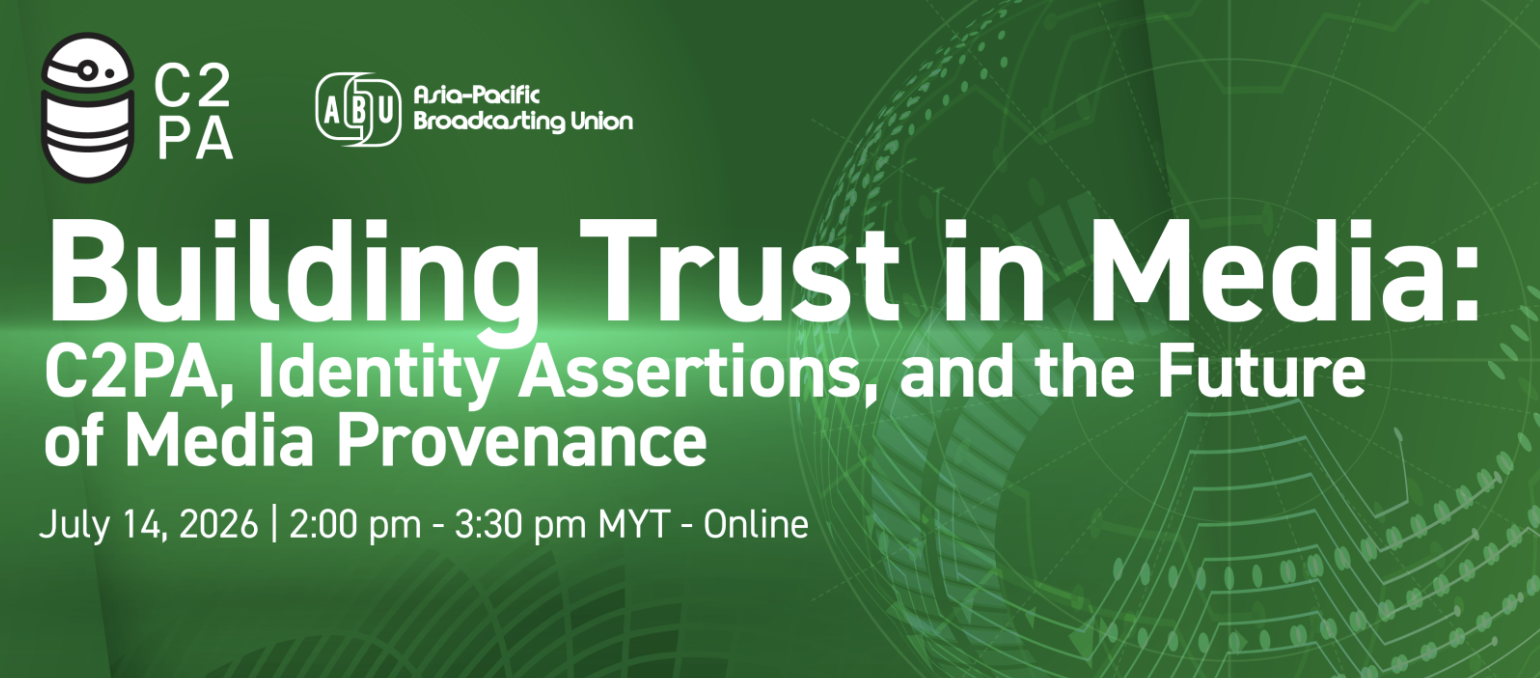
Asia-Pacific Broadcasting Union hosts webinar on C2PA and media provenance

Brendan Quinn of the IPTC is presenting and moderating a webinar hosted by the Asia-Pacific Broadcasting Union called “Building Trust in Media: C2PA, Identity Assertions, and the Future of Media Provenance” on Tuesday 14th July. This webinar will provide an overview of the latest developments in the Coalition for Content Provenance and Authenticity (C2PA) ecosystem, […] The post Asia Broadcasting Union webinar on C2PA for media, 14 July 2026 appeared first on IPTC.

Read on IPTC

TL;DR · Why it matters

The Asia-Pacific Broadcasting Union is holding a webinar on C2PA (Coalition for Content Provenance and Authenticity) and identity assertions in media on July 14. C2PA embeds cryptographic metadata that tracks the origin and edit history of images and video. News organizations and broadcasters are adopting it faster than commercial brands, but the standard will eventually apply to any asset where authenticity matters. If your DAM stores high-stakes content (product images, executive photos, regulatory materials), C2PA metadata fields belong in your schema planning now, not later.
Permalink & share
Acquia Blog
topic/llm-as-dam-co-adminAcquia Blog

Acquia publishes framework for using ChatGPT as a DAM co-admin

Turn ChatGPT, Claude, or Gemini into a DAM co-admin. Use the CRIT framework to tackle adoption, metadata, and reporting with prompts you can copy today.

Read on Acquia Blog

TL;DR · Why it matters

Acquia's blog post outlines the CRIT framework (Context, Role, Instruction, Task) for turning general-purpose LLMs into DAM support tools. The examples cover adoption analysis, metadata audits, and reporting prompts you can copy today. This is practical work: using ChatGPT or Claude to draft user survey questions, identify engagement gaps, or parse usage logs into plain language summaries. The post does not claim LLMs replace DAM admins; it shows how to delegate specific administrative tasks when internal capacity is thin.
Permalink & share
Bynder Blog
topic/salesforce-dam-personalizationBynder Blog

Bynder details integration model for Salesforce-driven content personalization

TL;DR · Why it matters

Bynder published a case study on linking DAM libraries to Salesforce CRM data for personalized customer journeys. The model uses CRM segmentation (customer tier, region, purchase history) to serve contextually appropriate assets in email and web experiences. This is not new conceptually, but the post walks through the integration mechanics: which metadata fields map to which CRM attributes, where approvals happen, how version control stays intact. Personalization at scale depends on metadata consistency; the case study makes that dependency visible.
Permalink & share
Extensis (Portfolio)
topic/metadata-best-practicesExtensis (Portfolio)

Extensis publishes metadata best practices guide for creative teams

Metadata is your BFF. It protects your precious assets from being lost in an endless sea of randomly named file folders. It helps your clients easily find your work so that they keep giving you wheelbarrows full of money. And it ensures that your hard-working and awesome creative types spend their days focusing on artistic […] The post Metadata Best Practices 101 appeared first on Extensis.com.

Read on Extensis (Portfolio)

TL;DR · Why it matters

Extensis released a practical guide to metadata structure aimed at creative teams managing client work. The advice is foundational: use consistent naming, define required fields before upload, train contributors on taxonomy. The tone is pragmatic (metadata protects revenue by making assets findable), not theoretical. For teams without formal DAM training, this is a usable checklist. For teams with formal programs, it is a reminder that metadata discipline starts at capture, not cleanup.
Permalink & share

Resource of the week

How to tell if your DAM is actually working

Run through the diagnostic that separates active DAM programs from expensive file storage.

Run the diagnostic

Field Notes

  • StandardsIPTC released Q2 2026 NewsCodes vocabulary update (sports taxonomy work in progress).
  • ToolPeter Krogh published a metadata test file for evaluating application metadata-reading capabilities.

Which matters more to your team: bringing assets into other tools, or bringing intelligence into your DAM?