DAM Cowboy
Search

W30 · July 2026

The infrastructure layer is having a moment

Three stories this week point to the same reality: the boring, invisible parts of DAM are suddenly strategic. Rights metadata, agent-ready taxonomies, and provenance standards are no longer background concerns. They are prerequisites for the next layer of automation.
IPTC
topic/rights-metadata-odrlIPTC

IPTC presents RightsML at W3C ODRL workshop

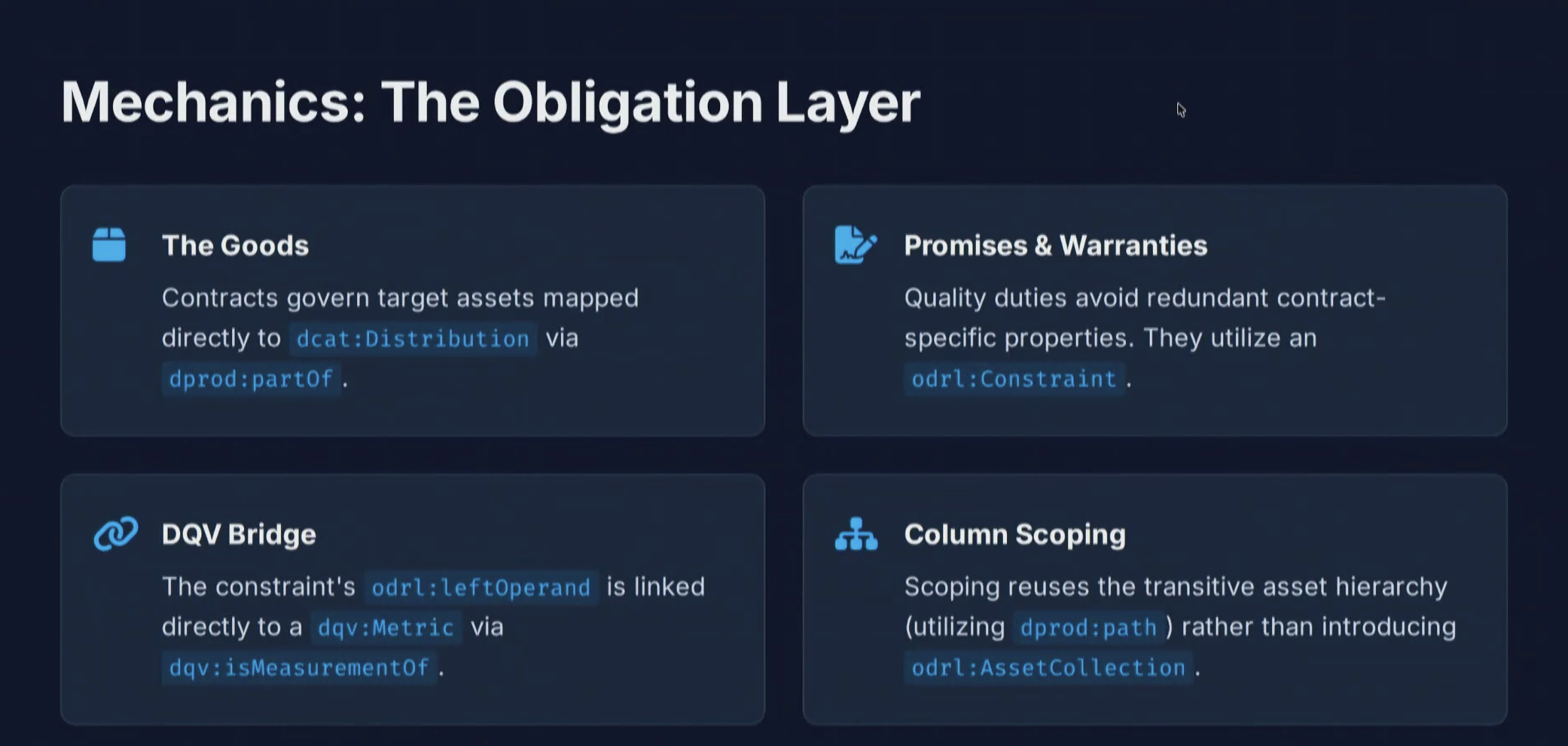
IPTC’s Brendan Quinn presented today at the W3C’s Workshop on the Future of ODRL. The IPTC presentation, “From ACAP to RightsML: the news industry and the future of ODRL”, accompanied a position paper that IPTC recently submitted to the workshop materials. Quinn’s presentation outlined IPTC’s history with ODRL and machine-readable rights statements over the past […] The post Towards ODRL 3.0: IPTC’s RightsML at W3C ODRL Workshop appeared first on IPTC.

Read on IPTC

TL;DR · Why it matters

IPTC's Brendan Quinn outlined the news industry's path from ACAP to RightsML at the W3C's workshop on the future of ODRL. The presentation included a position paper tracing how publishers have tried to machine-encode usage rights for nearly two decades. ODRL 3.0 matters because it will shape how AI agents negotiate permissions at scale. If your DAM stores rights metadata, it will need to speak this language.
Permalink & share
Stacks Blog
topic/ai-agents-dam-readinessStacks Blog

Is your DAM ready for AI agents?

AI does not fix a broken DAM, it exposes one. Learn what AI agents need from your metadata, taxonomy, and governance before you turn them on.

Read on Stacks Blog

TL;DR · Why it matters

AI does not fix a broken DAM; it exposes one. Before you turn on AI agents, they need clean metadata, consistent taxonomy, and governance rules that machines can read. This guide walks through the three layers of readiness: retrieval (can the agent find it), context (can the agent understand it), and compliance (can the agent use it). Most DAMs fail at layer two.
Permalink & share
IPTC
topic/content-provenance-webinarIPTC

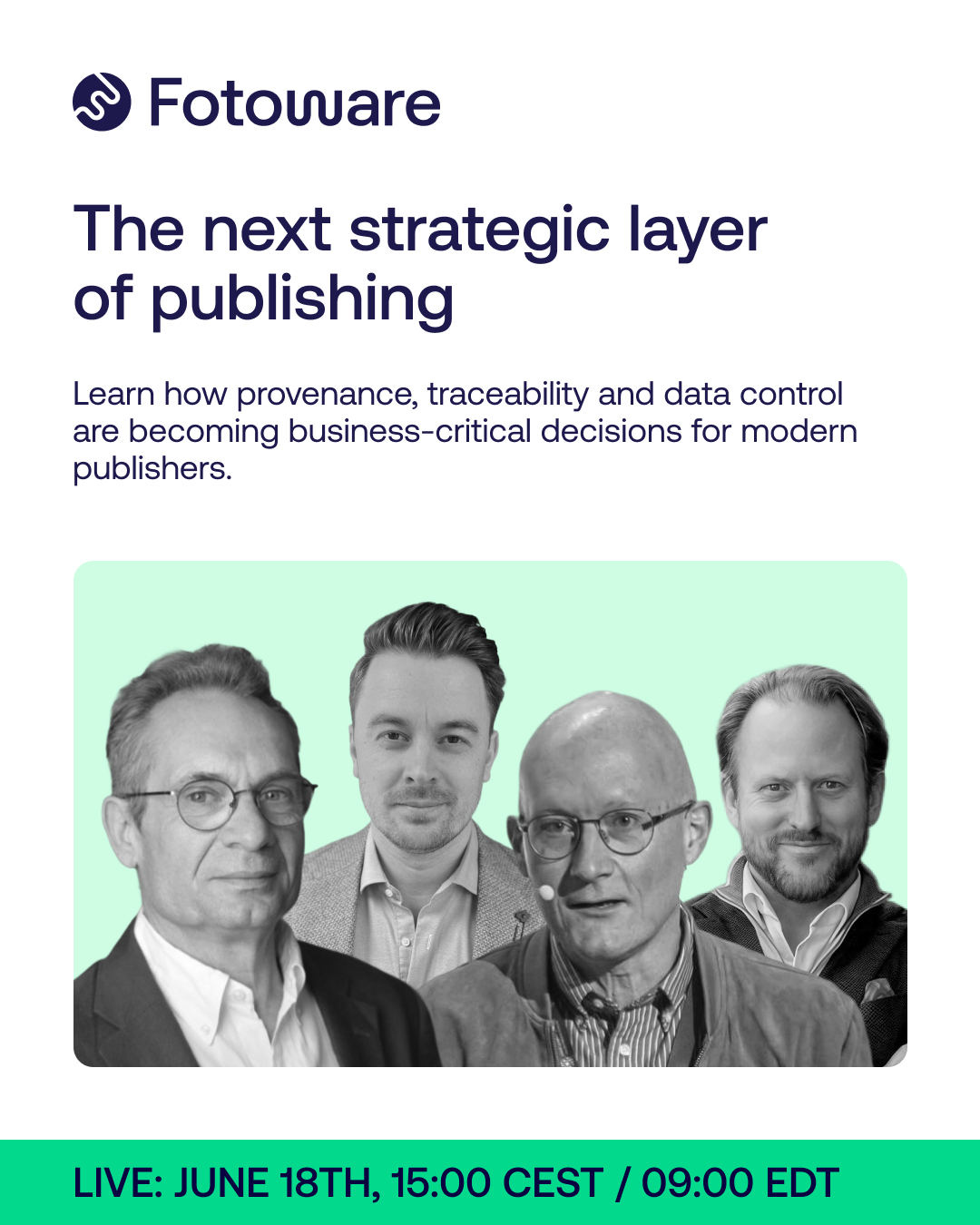
IPTC joins Fotoware webinar on content provenance

IPTC Managing Director Brendan Quinn will take part in a webinar on Thursday 18 June discussing how content provenance and AI changes the landscape of publishing and content management. Organised by IPTC member and software vendor Fotoware, the webinar, “Content Ownership: From Theory to Value” is billed as “a strategic panel for publishing leaders on […] The post IPTC at Fotoware webinar on Thursday 18 June appeared first on IPTC.

Read on IPTC

TL;DR · Why it matters

IPTC Managing Director Brendan Quinn joined a Fotoware webinar titled "Content Ownership: From Theory to Value" on June 18. The session focused on how provenance and AI change the publishing and content management landscape. Provenance used to be an archivist concern. Now it is a trust signal, a legal defense, and a machine-readable claim of origin. If your DAM does not embed C2PA or equivalent metadata, you are publishing into a verification vacuum.
Permalink & share
Cloudinary Blog
topic/ai-image-generation-productionCloudinary Blog

Cloudinary addresses the AI-to-production gap

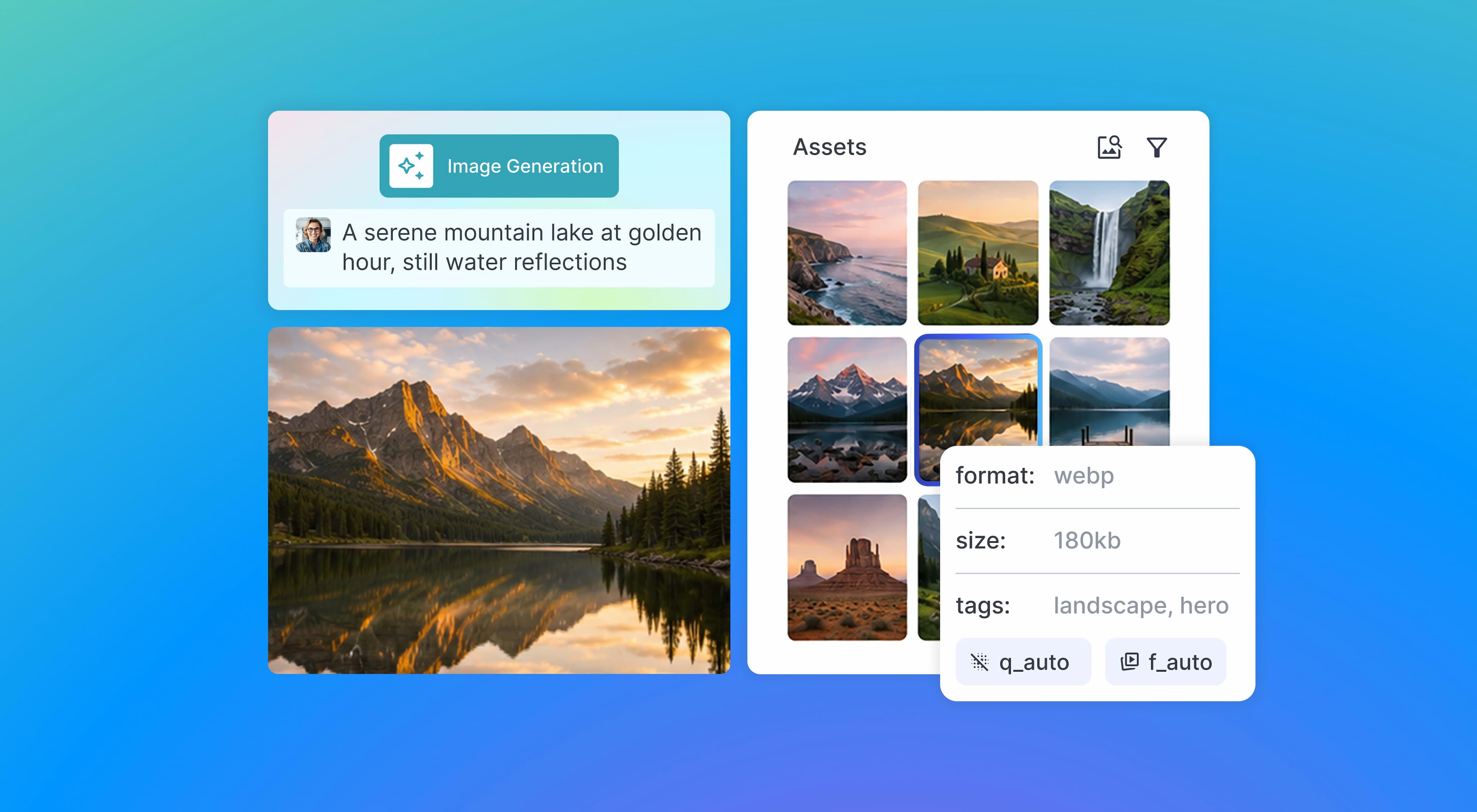
AI image generation has become easy. Shipping those images into production hasn’t. Developers today face two new challenges. First, AI is evolving at breakneck speed, making it difficult to consistently get the results they want while choosing and integrating the right models. Second, generating an image is only the beginning. Every asset still needs to […] The post Go From Prompt to Production-Ready Image Automatically appeared first on Cloudinary Blog.

Read on Cloudinary Blog

TL;DR · Why it matters

AI image generation is easy. Shipping those images into production is not. Cloudinary's new post outlines two challenges developers face: model selection is moving faster than integration cycles, and generated images rarely meet production standards without post-processing. The solution is a pipeline that normalizes format, optimizes delivery, and applies brand guardrails automatically. If your DAM ingests AI-generated assets, this is the workflow layer you are missing.
Permalink & share
Bynder Blog
topic/fashion-ai-content-controlBynder Blog

How fashion brands solve the AI content control problem

TL;DR · Why it matters

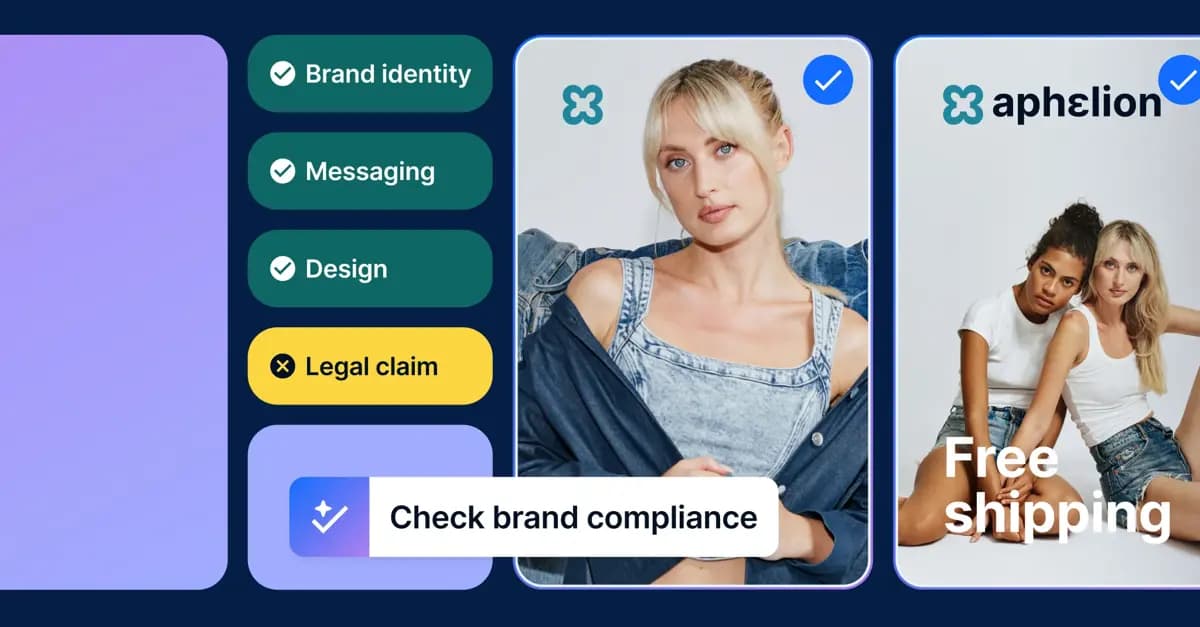
Leading fashion brands are wrestling with a new version of an old problem: how to maintain brand consistency when content is generated by machines instead of people. Bynder surveyed brands on how they govern AI-created assets, from prompt libraries to post-generation approval workflows. The takeaway: controlled vocabularies for prompts are becoming the new style guide. If your creative team uses generative AI, you need prompt governance before you need more storage.
Permalink & share
CMSWire
topic/dam-managers-ai-architectsCMSWire

DAM managers are the architects of your AI future

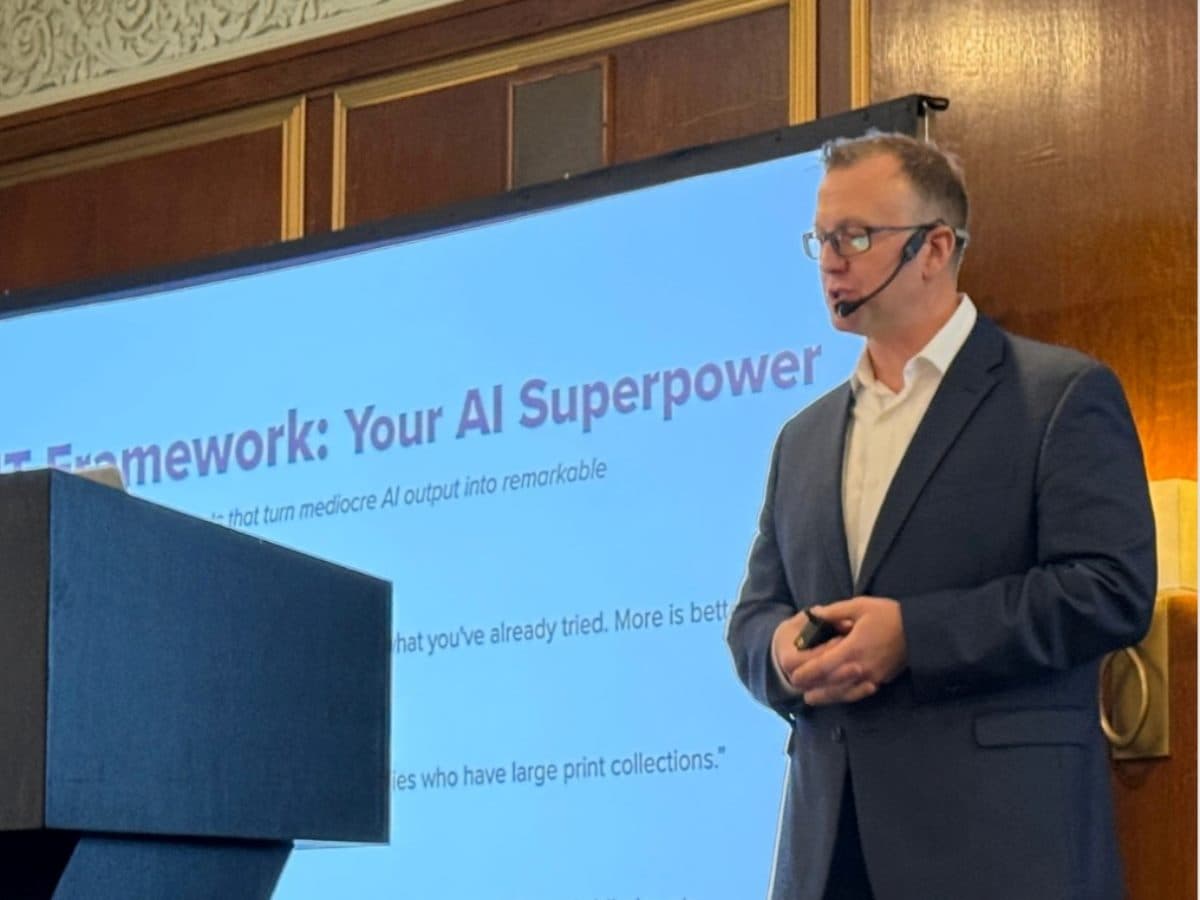
A keynote in Boston revealed a surprising truth: photo organizers and enterprise DAM managers face the same challenge — and hold the same strategic power. Continue reading...

Read on CMSWire

TL;DR · Why it matters

A keynote in Boston revealed a surprising truth: photo organizers and enterprise DAM managers face the same challenge and hold the same strategic power. Both groups structure information so machines can act on it. The difference is scale and stakes. When AI agents start making decisions based on your taxonomy, the DAM manager becomes the person who defined what the machine knows. That is an architecture role, not an admin role.
Permalink & share

Resource of the week

How to tell if your DAM is actually working

Run this diagnostic before you add AI features. It will tell you whether your metadata, taxonomy, and workflows can support automation.

Run the diagnostic

Field Notes

  • StandardsW3C ODRL workshop position papers are now public; IPTC's RightsML submission is worth reading in full.
  • ToolCloudinary's AI-to-production pipeline is in beta; early access available for enterprise accounts.
  • ConferenceCMSWire's Boston keynote on DAM and AI strategy is archived; registration required for video access.

What infrastructure work is blocking your team right now?