
W32 · August 2026
Infrastructure for generated content starts to look like infrastructure for trusted content
August brought a cluster of releases that share a pattern: vendors are building plumbing for AI-created and AI-moderated media at the same speed standards bodies are building plumbing for provenance and trust. The gap between generation and verification is narrowing, but it is not yet closed.
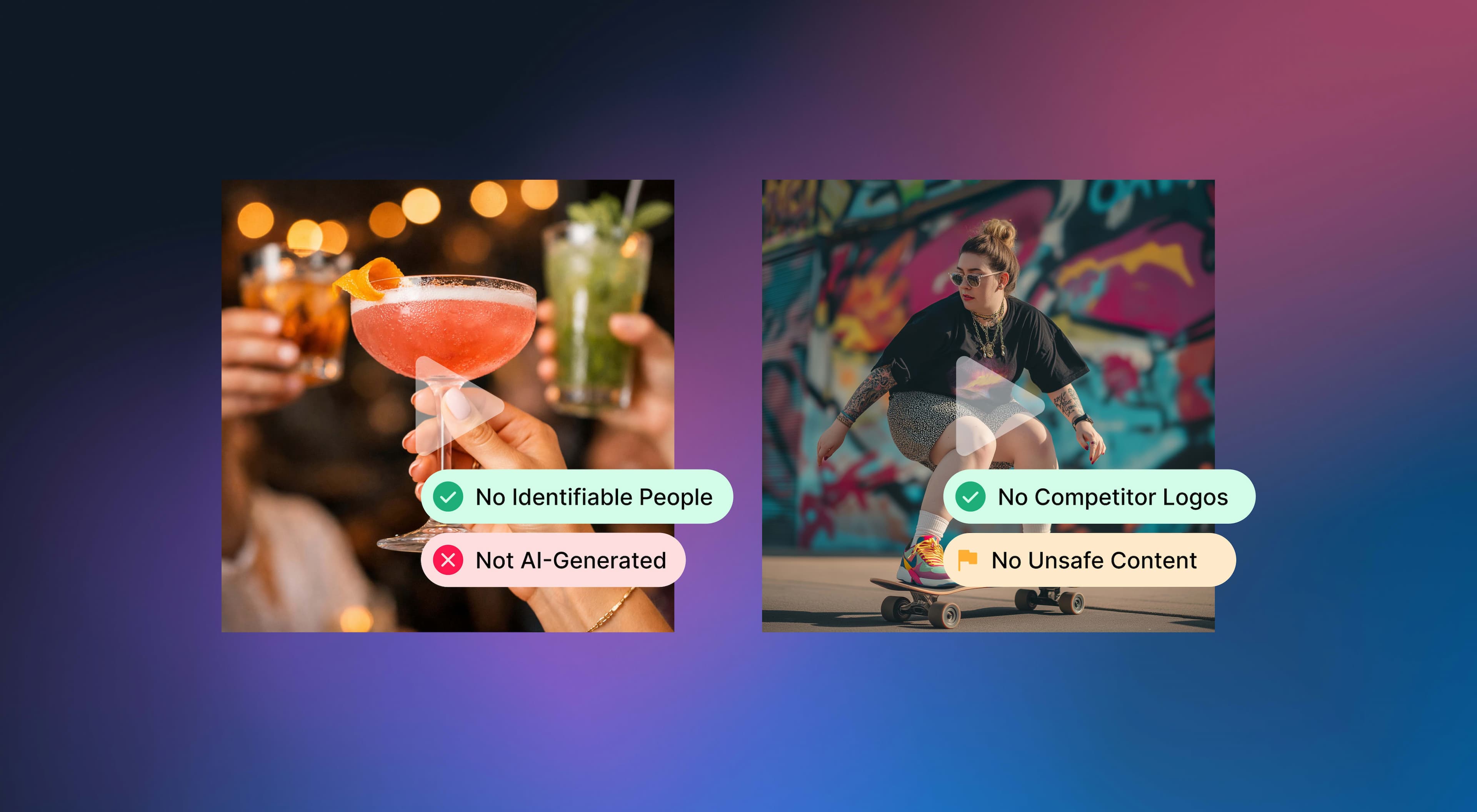
Cloudinary extends automated moderation from images to video ↗
When we launched Cloudinary Moderation, we set out to turn static brand guidelines into automated standards that every asset entering your pipeline has to meet. Until now, that meant images. Today, we’re extending moderation to the format that’s growing fastest and is hardest to review manually: video. Video moderation is now generally available in Cloudinary. […] The post Video Moderation is Here: How Cloudinary Reviews Every Video Against Your Standards appeared first on Cloudinary Blog.
Read on Cloudinary Blog →TL;DR · Why it matters
Facial recognition search in DAM: how it works and why it matters ↗
TL;DR · Why it matters
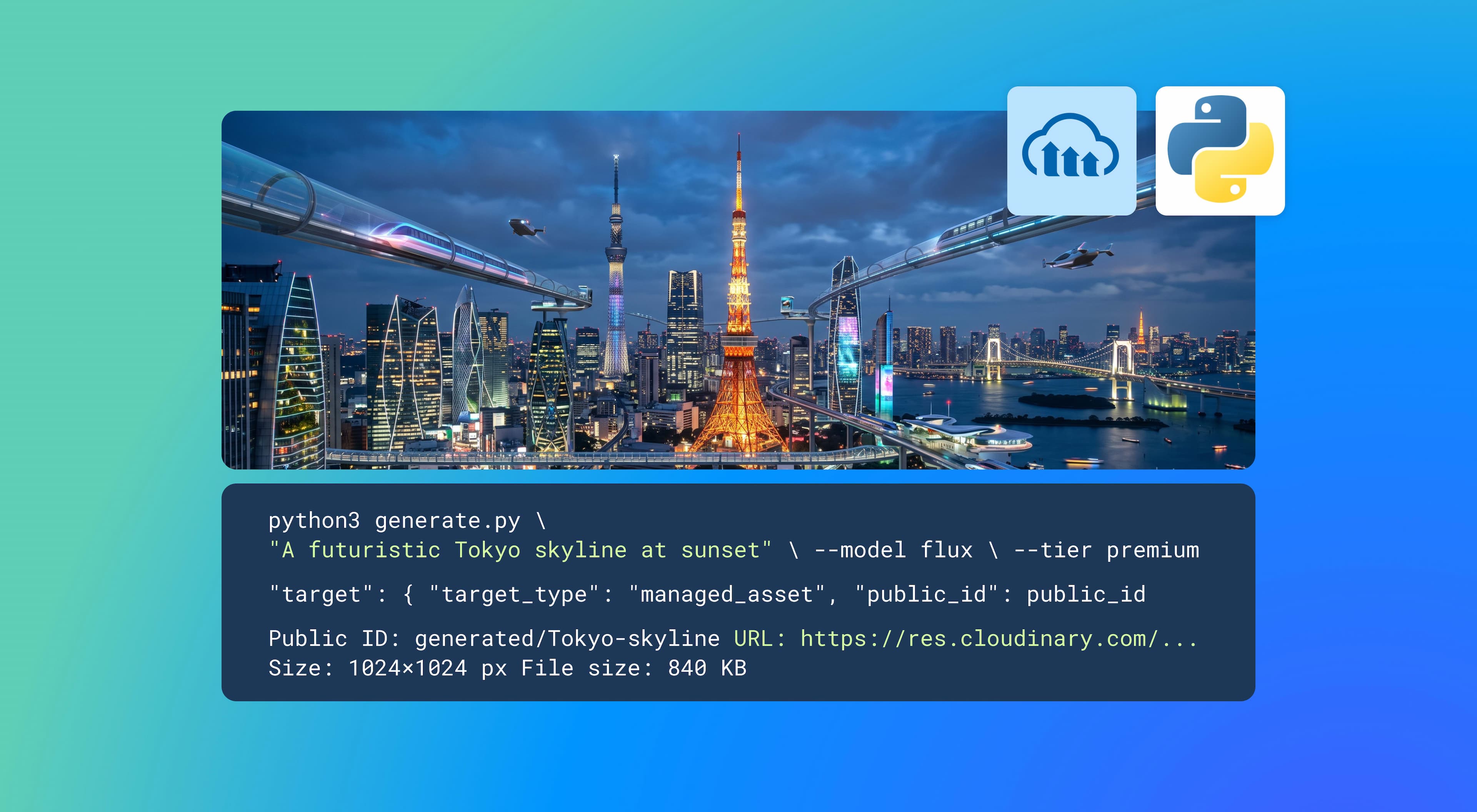
Cloudinary ships multi-model image generation API with built-in asset management ↗
At conference booths, developers often ask whether we support image generation at Cloudinary, given our emphasis on media management. As of now, I can say, “Yes! Yes, we do.” — here’s how! Cloudinary’s Image Generation API lets developers generate images from text prompts using multiple AI model families, then store the result as a managed […] The post Cloudinary’s New Image Generation API: One API, Multiple AI Models, and Built-in Asset Management appeared first on Cloudinary Blog.
Read on Cloudinary Blog →TL;DR · Why it matters
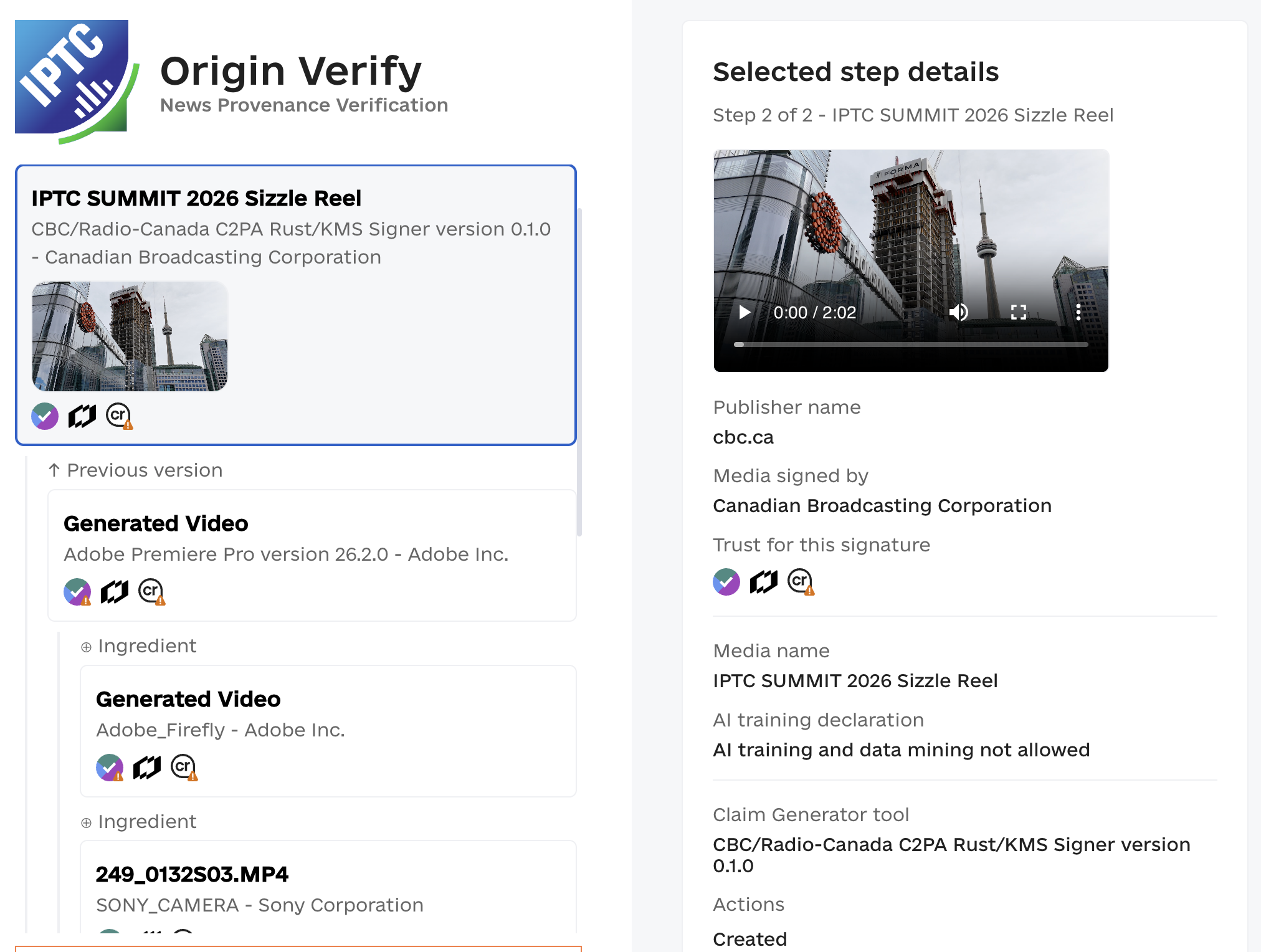
IPTC releases video overview of Toronto media provenance summit ↗
The IPTC is pleased to share with the public a video overview of the IPTC Media Provenance Summit which was held on Thursday 16th April in Toronto, Canada. The video shows interviews with speakers from the event, including Angela Pacienza of the Globe & Mail, Dan Dzuban of Sony and the C2PA Steering Committee, Judy […] The post Video overview of Toronto IPTC Media Provenance Summit appeared first on IPTC.
Read on IPTC →TL;DR · Why it matters

What AI can (and cannot) do for your DAM ↗
Auto-tagging, facial recognition, video transcription — AI DAM features only work when your foundation is clean. Learn the three kinds of AI in your DAM world and how to use them well.
Read on Acquia Blog →TL;DR · Why it matters
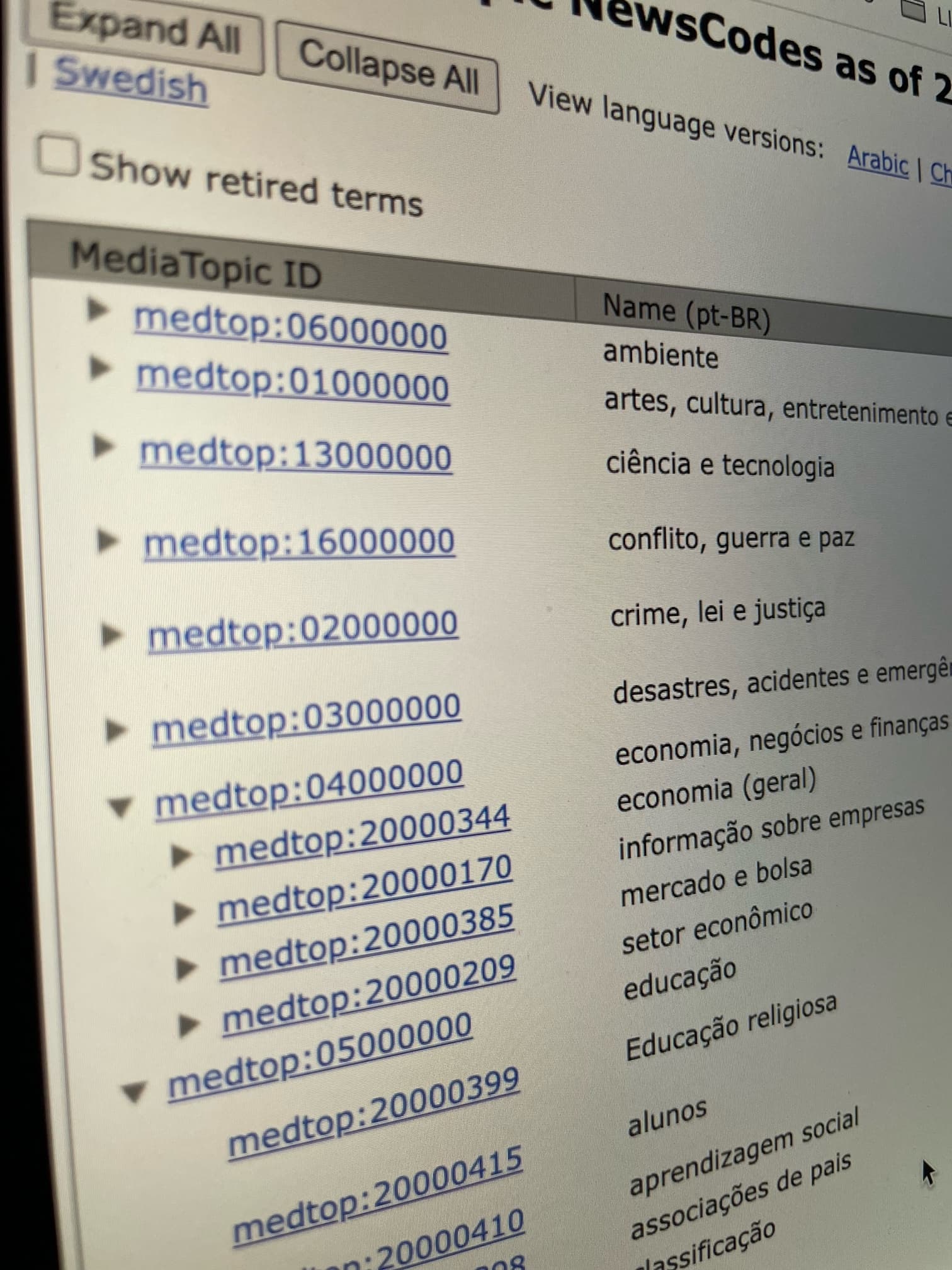
IPTC releases Q2 2026 NewsCodes vocabulary update ↗
The NewsCodes Working Group is pleased to release the Q2 2026 update to our NewsCodes vocabularies. The first update since October 2025, this update is small because the NewsCodes Working Group is working on a large update to the sports branch of Media Topics that is not yet complete. Changes in this release: New Media […] The post IPTC NewsCodes 2026-Q2 update released appeared first on IPTC.
Read on IPTC →TL;DR · Why it matters
Resource of the week
How to tell if your DAM is actually working
Six diagnostic questions that separate functional DAMs from expensive file cabinets. Run this before your next quarterly review.
Run the diagnostic →Field Notes
- StandardsIPTC NewsCodes Q2 2026 update released (small; larger sports taxonomy revision in progress)
- ConferenceIPTC Media Provenance Summit video now public (Toronto, April 2026)
What are you building to bridge creation and trust in your own pipeline?