
W36 · September 2026
Verification standards meet content velocity
Media provenance moved from lab to field this spring. IPTC convened summits in Toronto and Singapore while user-generated content platforms automate moderation at upload. The gap between attribution standards and everyday content operations is narrowing.

IPTC Media Provenance Summit set for Toronto, April 2026 ↗
2025 saw the success of several content and media provenance events: the Media Provenance Workshop in Paris (co-organised by AFP, the BBC and Media Cluster Norway), the Content Authenticity Summit in New York (co-organised by the Content Authenticity Initiative, C2PA and IPTC) and the Media Provenance Summit in Bergen, Norway (co-organised by Media Cluster Norway, […] The post Announcing the IPTC Media Provenance Summit, Toronto, 16 April 2026 appeared first on IPTC.
Read on IPTC →TL;DR · Why it matters

IPTC presents media provenance at Singapore safety forum ↗
IPTC’s Bruce MacCormack, Chair of the IPTC Media Provenance Committee, presented IPTC’s Media Provenance work at the Content Authenticity Summit in Singapore this week, held as part of the Online Trust and Safety Forum organised by the Centre for Advanced Technologies in Online Safety (CATOS). Bruce gave a presentation on “Content Provenance Implementation in the […] The post IPTC at the Online Trust and Safety Forum in Singapore appeared first on IPTC.
Read on IPTC →TL;DR · Why it matters

No-code UGC moderation routes risky uploads before human review ↗
Frequently Asked Questions Why is manual image moderation unsustainable for UGC platforms, and how does automated routing solve it? Manual review is too slow. It fails to scale past early traffic and exposes workers to potentially graphic uploads. Automated routing intercepts uploads instantly and makes a moderation decision within seconds. Only edge cases require human […] The post No-Code Content Moderation for User-Generated Images appeared first on Cloudinary Blog.
Read on Cloudinary Blog →TL;DR · Why it matters
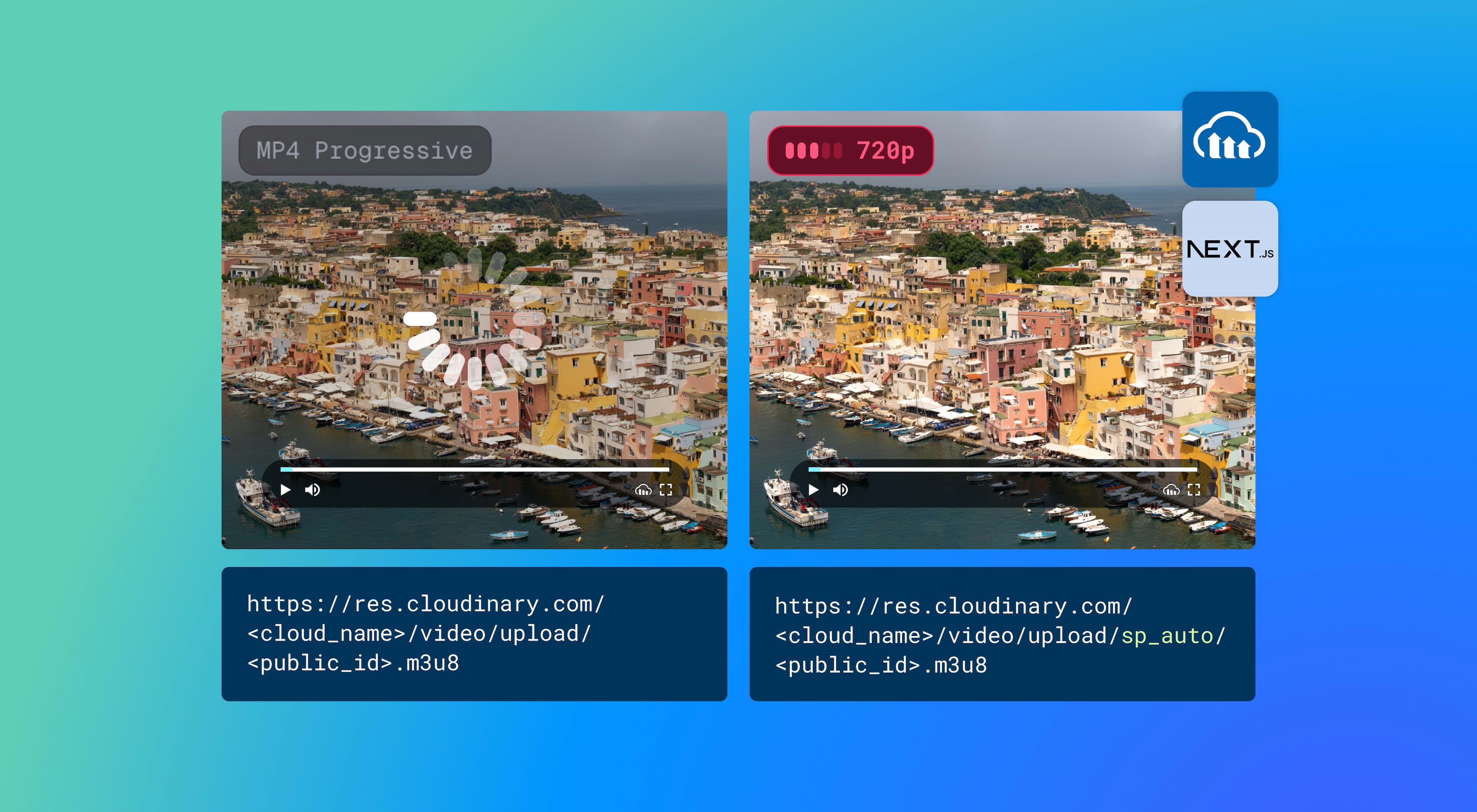
Adaptive bitrate streaming replaces single-file video delivery ↗
Frequently Asked Questions Why does a progressive MP4 buffer on slow network connections compared to Adaptive HLS? A progressive MP4 is encoded as a single static file at a fixed bitrate. The browser must download the chunks sequentially and fast enough to maintain playback. If network throughput falls below this fixed bitrate, the video stalls […] The post Adaptive Bitrate HLS Delivery With Cloudinary and Next.js appeared first on Cloudinary Blog.
Read on Cloudinary Blog →TL;DR · Why it matters

DAM and CMS integration closes the content activation gap ↗
Discover how Acquia DAM and Source work together to close the content activation gap — from brand-approved asset to live digital experience, without the IT wait.
Read on Acquia Blog →TL;DR · Why it matters

Schmidt Groupe cuts time-to-market by 50% with PIM and DAM integration ↗
TL;DR · Why it matters
Resource of the week
How to tell if your DAM is actually working
Run through 12 diagnostic questions that separate performing DAM systems from expensive file storage. Most teams skip the measurement step.
Run the diagnostic →Field Notes
- StandardsC2PA released version 2.1 spec for content credentials in June 2026.
- ConferenceHenry Stewart DAM New York returns November 5-6, 2026 at The New Yorker.
- ToolMediaValet launched AI-driven auto-tagging with custom model training in August 2026.
What verification step slows your team down most?