
W37 · September 2026
The gap between model response and production-ready file
Generative AI tools return a URL or a blob. Then the real work starts: formats, sizes, metadata, persistence, delivery logic. The distance between what a model produces and what production systems require is the new bottleneck in automated content pipelines.
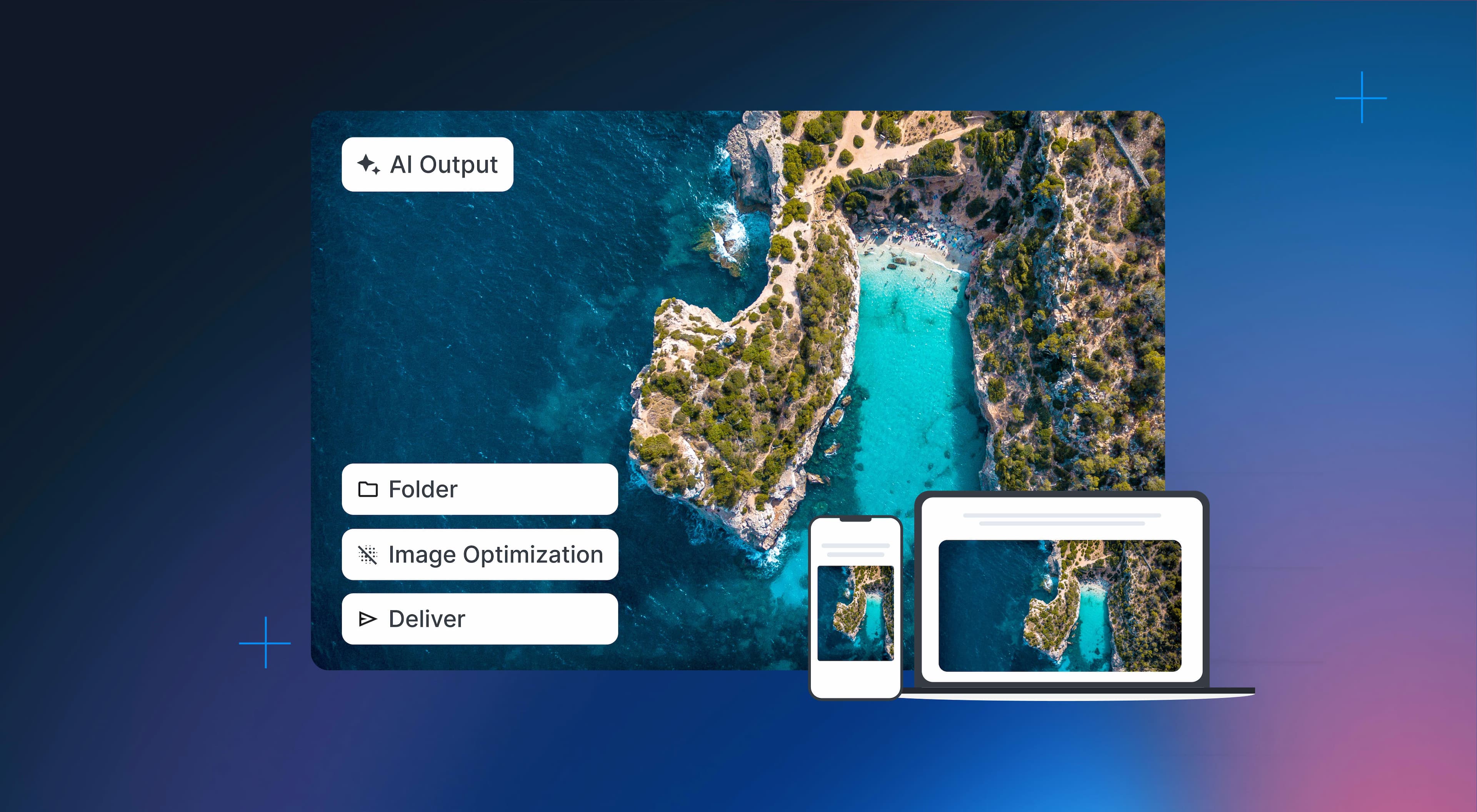
Your model returns a file. Production needs an asset. ↗
Your agent calls an AI image or video model (OpenAI, Google, Runway, fal) and, a few seconds later, gets back a URL or a blob of base64. Feels like the job is done. It isn’t. That raw output will probably expire, it’s the wrong size and format for wherever it’s headed, it carries no record […] The post Your Model Returns a File. Production Needs an Asset. appeared first on Cloudinary Blog.
Read on Cloudinary Blog →TL;DR · Why it matters

Brand management software versus DAM: key differences ↗
Effective brand management requires a DAM and a portal. You need both to organize assets and make them accessible. Continue reading...
Read on CMSWire →TL;DR · Why it matters
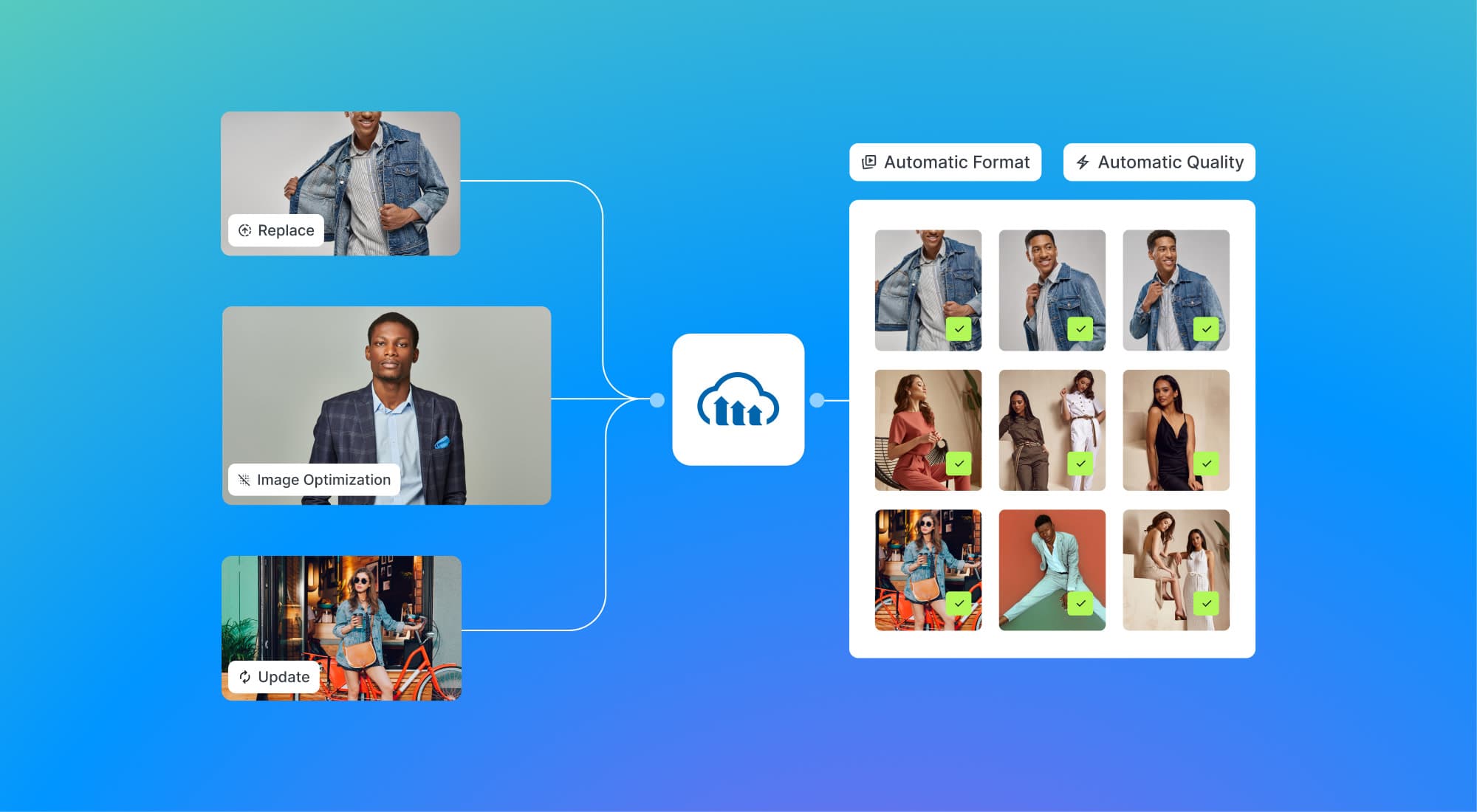
Five challenges of using third-party images and videos in your marketplace ↗
If you’re a business that relies on third-party visual content, the same seller photos and partner videos that fuel your growth can also be your biggest bottleneck and risk. Submitted from dozens or hundreds of different sources, these visual assets arrive at varying levels of quality and consistency, without any reliable way to tell what’s […] The post 5 Challenges of Using Third-Party Images and Videos in Your Marketplace (and How to Solve Them) appeared first on Cloudinary Blog.
Read on Cloudinary Blog →TL;DR · Why it matters

AI disclosure on social media remains a work in progress ↗
Indicator, an online publication focusing on studying and exposing digital deception and manipulation, has published an updated analysis of how Generative AI tools output are shown on social media platforms. The study, an update to a previous study conducted in October, shows some good news: for example, all image and video content created by OpenAI […] The post AI disclosure on social media “a work in progress” appeared first on IPTC.
Read on IPTC →TL;DR · Why it matters
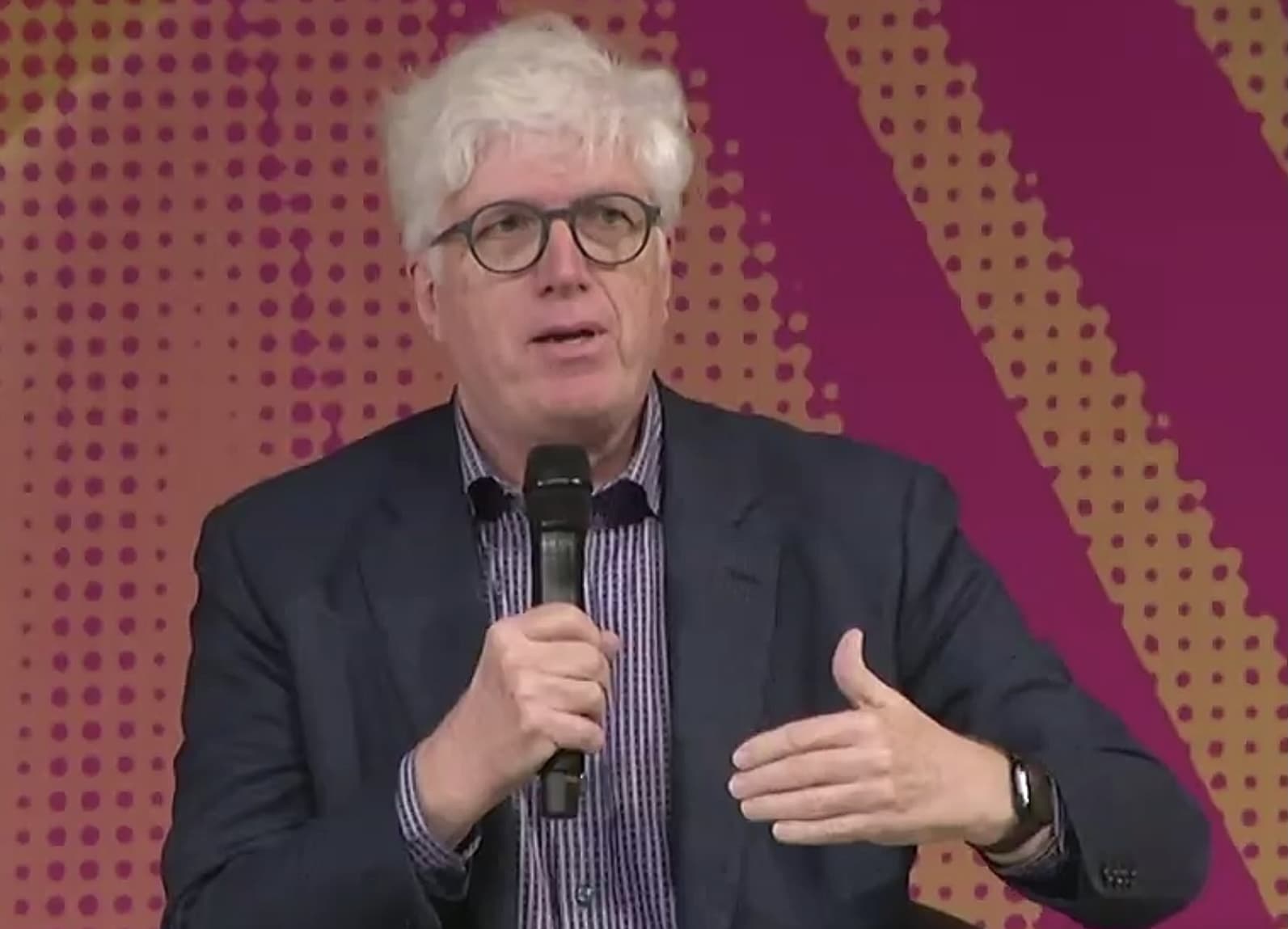
WIPO launches AI Infrastructure Initiative with C2PA focus ↗
Bruce MacCormack of Neural Transform, who has worked with CBC/Radio-Canada on establishing C2PA, joined a panel in Geneva launching an initiative from the World Intellectual Property Organisation: the Artificial Intelligence Infrastructure Initiative (AIII). Pronounced “A triple I”, the initiative seeks to bring together representatives from creators and rights holders across industries to work on a […] The post IPTC’s Bruce MacCormack at launch of WIPO AI initiative appeared first on IPTC.
Read on IPTC →TL;DR · Why it matters
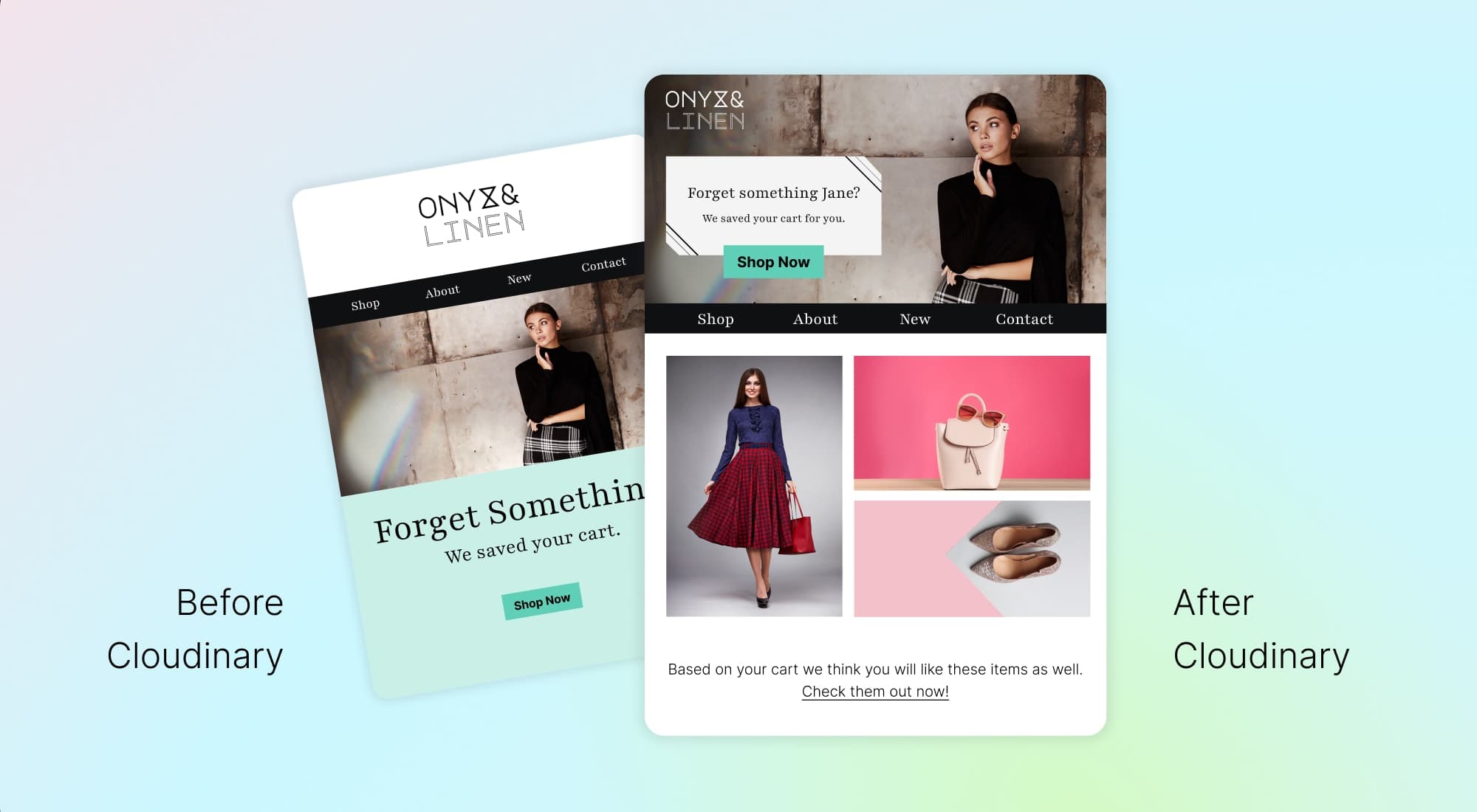
Cloudinary and Klaviyo integrate for personalized email visuals ↗
Cloudinary’s new integration for Klaviyo brings customer and event data into dynamic visual templates to create personalized images and engaging GIFs for email campaigns. Marketers can turn approved designs into a reusable Cloudinary template, choosing which elements remain fixed and which become dynamic variables — such as name, product image, or offer. They then map […] The post Cloudinary + Klaviyo: New Integration Brings Personalized Visuals to Every Email Campaign appeared first on Cloudinary Blog.
Read on Cloudinary Blog →TL;DR · Why it matters
Resource of the week
How to tell if your DAM is actually working
Run this diagnostic to measure whether your DAM delivers value or just stores files. Covers adoption, search performance, and workflow integration.
Run the diagnostic →Field Notes
- ToolRunway ML now supports video-to-video style transfer with motion preservation
- StandardsIPTC releases updated photo metadata schema supporting multi-format AI disclosure fields
- ConferenceDAM London 2026 opens registration with focus on AI workflows and marketplace asset management
What's the biggest gap between AI output and production-ready assets in your workflow?