
W43 · October 2026
When infrastructure becomes operational
Two kinds of infrastructure matured this week. In Tokyo, media provenance tools moved from concept to production deployment. In developer channels, AI agents started talking directly to DAM systems through a protocol most teams haven't heard of yet. Both shifts change what gets built next.
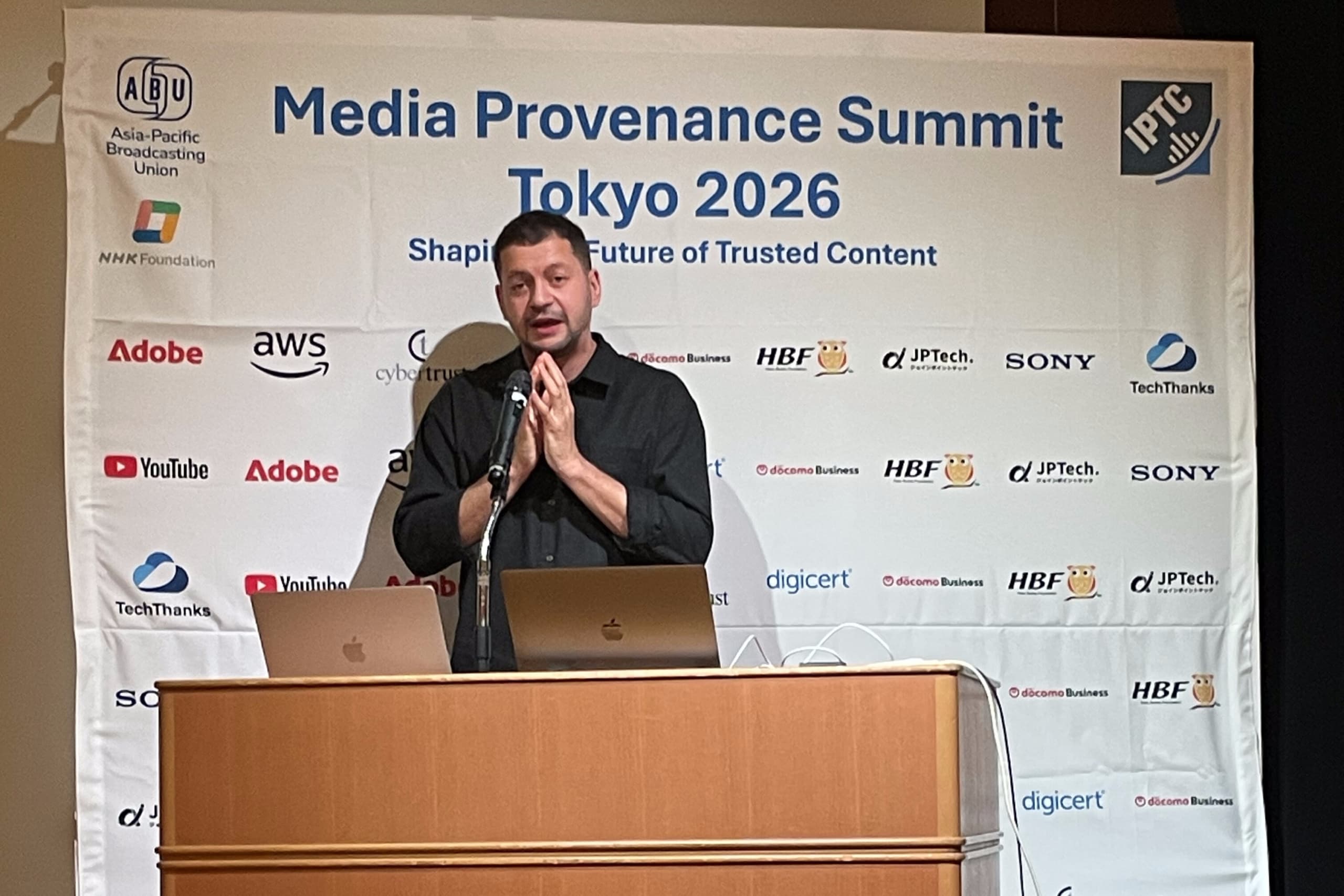
From Kyiv to Tokyo: an infrastructure for truth moves from pilot to production ↗
Ukraine’s public broadcaster explained why it signs its journalism, a Japanese broadcaster revealed it has been using C2PA in production for a year, and a room full of vendors showed that the tools are ready now. These are just a few of the highlights of yesterday’s Media Provenance Summit in Tokyo. On Tuesday October 13th […] The post From Kyiv to Tokyo: an “infrastructure for truth” moves from pilot to production at the Media Provenance Summit Tokyo appeared first on IPTC.
Read on IPTC →TL;DR · Why it matters
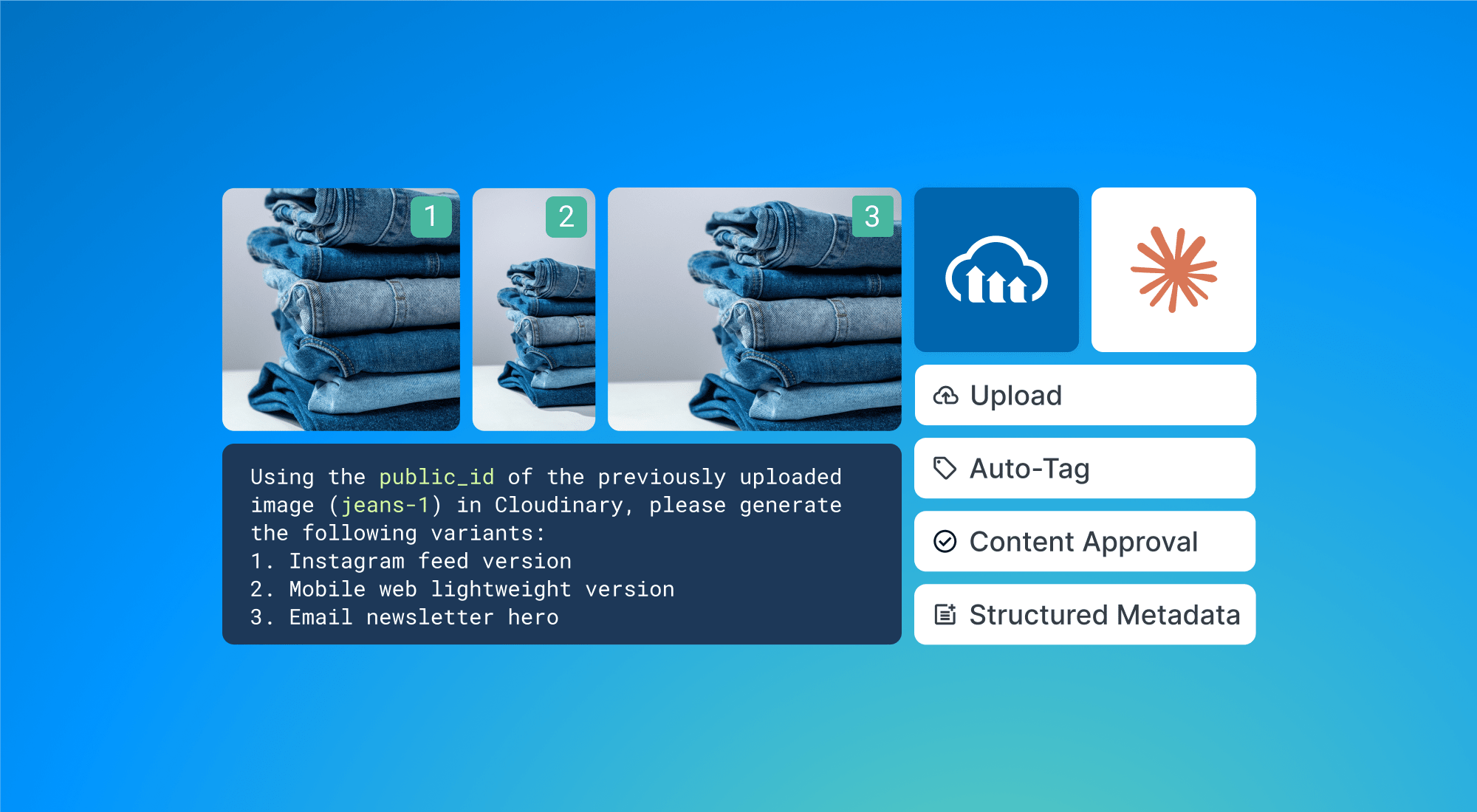
6 ways developers use AI agents and Cloudinary MCP to scale media management ↗
Managing media assets is a routine task in software development, especially for teams building cloud-based platforms, e-commerce sites, or content management systems. If you’ve ever spent an afternoon uploading product images, tagging each one by hand, resizing them for three different channels, and then doing it all over again the next week, this guide is […] The post 6 Ways Developers Use AI Agents and Cloudinary MCP to Scale Media Management appeared first on Cloudinary Blog.
Read on Cloudinary Blog →TL;DR · Why it matters

What did the DAM industry's benchmarks miss? ↗
Answer engines already read your PDFs and stale spec sheets. DAM benchmarks never asked whether they get you right. Now one does. Continue reading...
Read on CMSWire →TL;DR · Why it matters
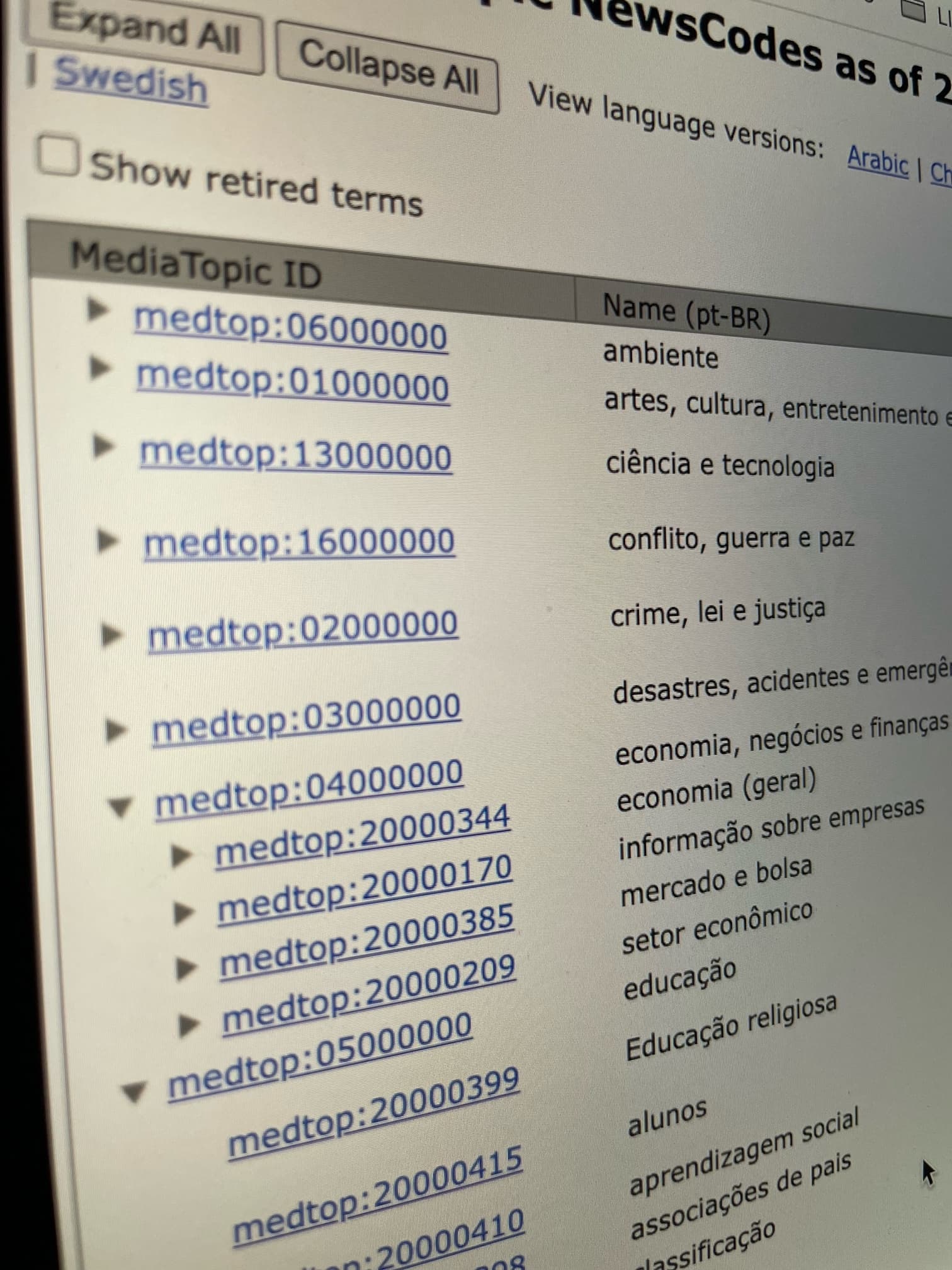
IPTC NewsCodes 2026-Q3 update released ↗
The IPTC Media Topics vocabulary tree browser. The NewsCodes Working Group is pleased to release the Q3 2026 update to our NewsCodes vocabularies. In our Q2 update we mentioned that the Working Group was reviewing the sports branch of Media Topics. That review is now complete, and it makes up almost all of this release: […] The post IPTC NewsCodes 2026-Q3 update released appeared first on IPTC.
Read on IPTC →TL;DR · Why it matters
MCP is coming for your DAM. Here's what that actually means. ↗
MCP is coming for your DAM. Learn what Model Context Protocol actually does, why it matters for digital asset management, and what your organization…
Read on Stacks Blog →TL;DR · Why it matters
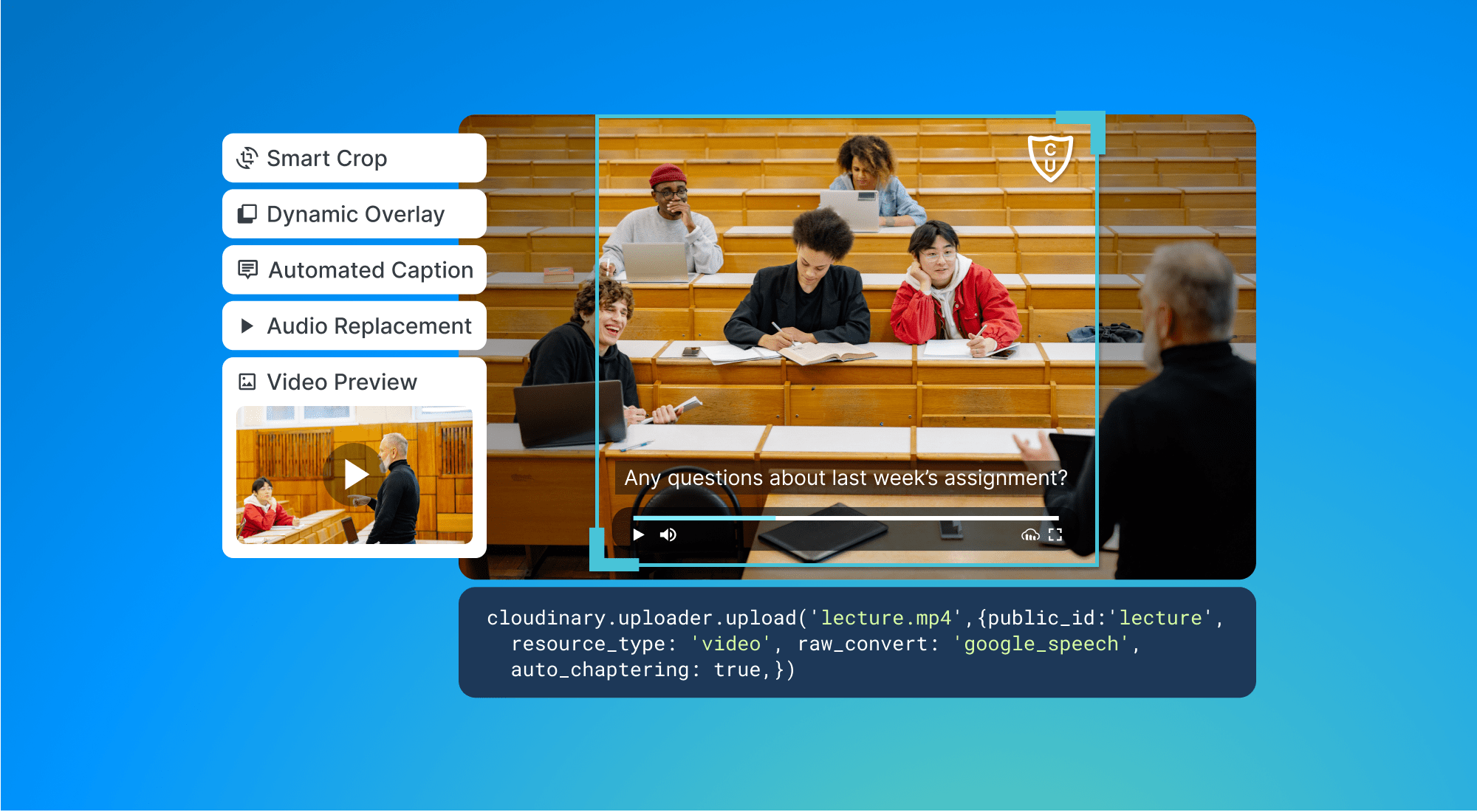
Cloudinary Video API features you're probably not using yet ↗
Most teams adopt Cloudinary to solve an immediate problem, usually to upload a file, embed a video, or resize an image. The feature ships, and the team moves on. But Cloudinary Video API includes capabilities that go well beyond basic upload and delivery, and many of them can eliminate manual editing work entirely. This guide […] The post Cloudinary Video API Features You’re Probably Not Using Yet appeared first on Cloudinary Blog.
Read on Cloudinary Blog →TL;DR · Why it matters
Resource of the week
How to tell if your DAM is actually working
Run the diagnostic to see whether your DAM solves the problems it was bought to fix, or just moves them around.
Run the diagnostic →Field Notes
- StandardsIPTC released Q3 2026 NewsCodes update with revised sports branch classifications.
- ToolCloudinary released MCP server enabling AI agents to manage media assets via Model Context Protocol.
- ConferenceMedia Provenance Summit Tokyo: Japanese broadcaster revealed year-long C2PA production deployment.
What infrastructure are you watching move from pilot to production?