
W38 · September 2026
Automation that evaluates its own work
Three stories this week center on the same shift: systems that decide without waiting for us. Agent loops run until they hit a goal. IPTC brings trust metadata to broadcast workflows. Cloudinary routes image requests to models automatically. The pattern is delegation, not just assistance.
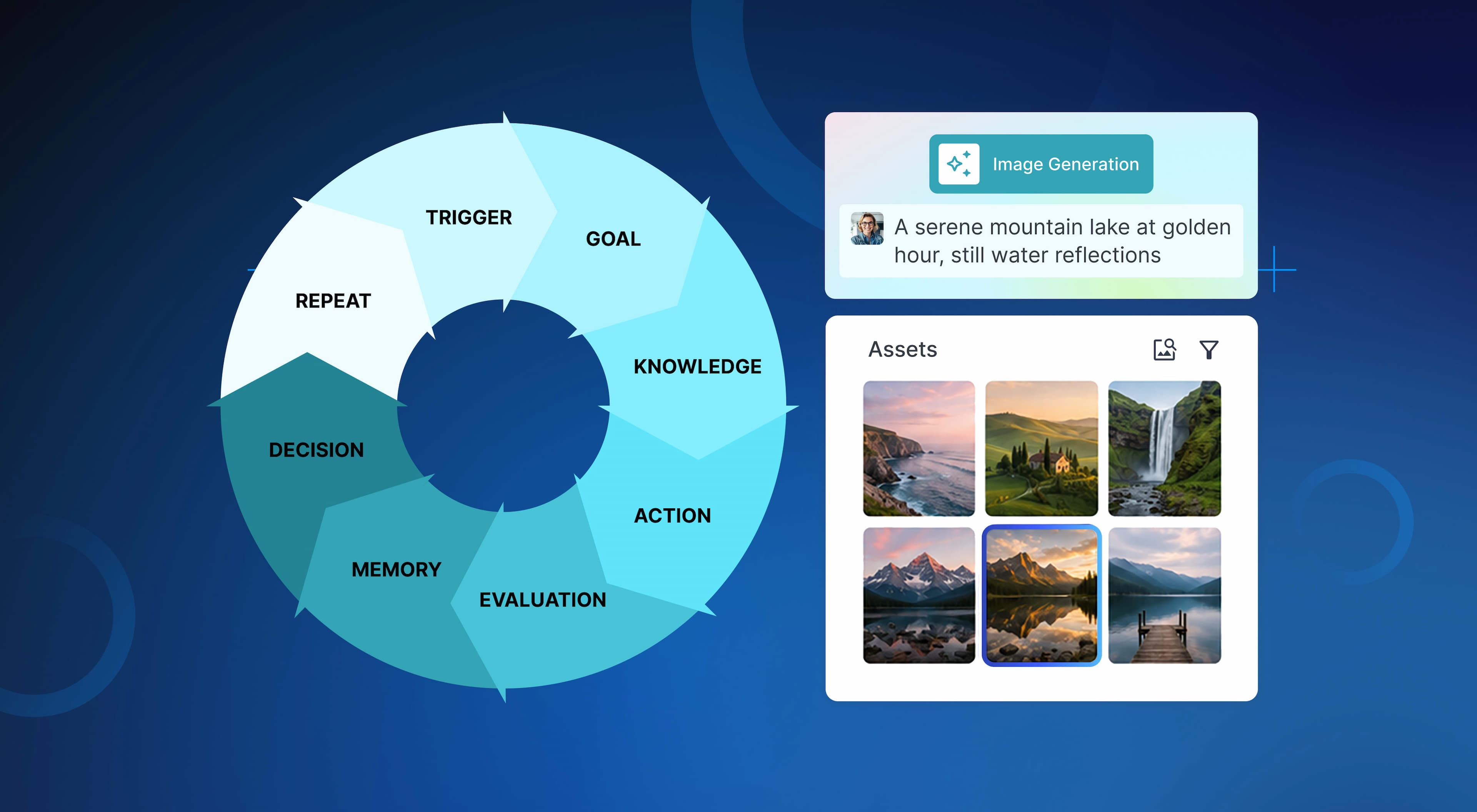
What makes an agent loop useful? ↗
Over the last few days, my social media feed has been filled with posts about agent loops. The message is usually some variation of the same idea: Stop prompting agents one step at a time and start designing systems that can act, evaluate their work, and continue toward a goal on their own. The future […] The post What Makes an Agent Loop Useful? appeared first on Cloudinary Blog.
Read on Cloudinary Blog →TL;DR · Why it matters
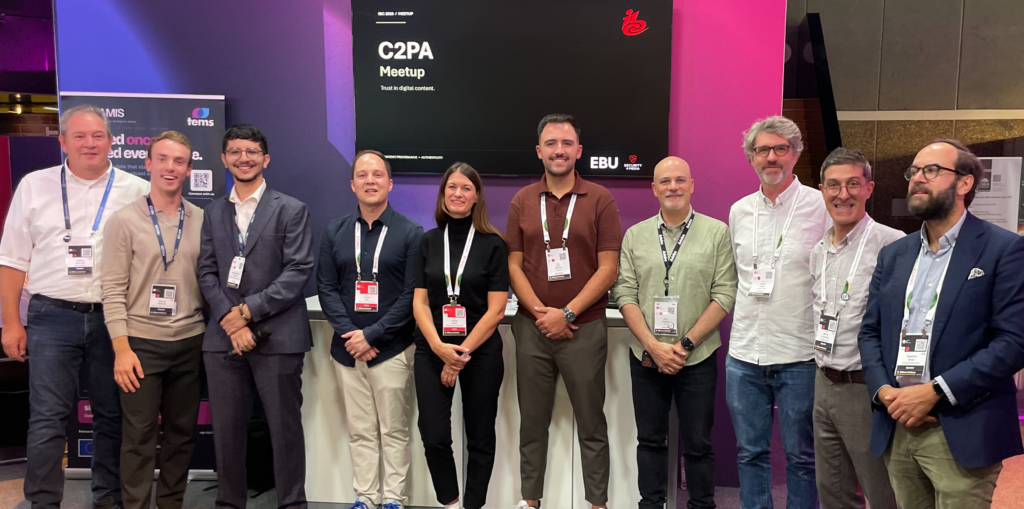
Trust, story objects, and agentic production at IBC 2026 ↗
The annual International Broadcasting Convention (IBC) took place this weekend in Amsterdam, Netherlands, and it was as big as ever: tens of thousands of media technology professionals coming together to talk shop, meet old friends and contacts, and see the latest developments in media technology. IPTC members were well represented, with attendees present from ABC […] The post Trust, Story Objects and Agentic Production: IPTC at IBC 2026 appeared first on IPTC.
Read on IPTC →TL;DR · Why it matters
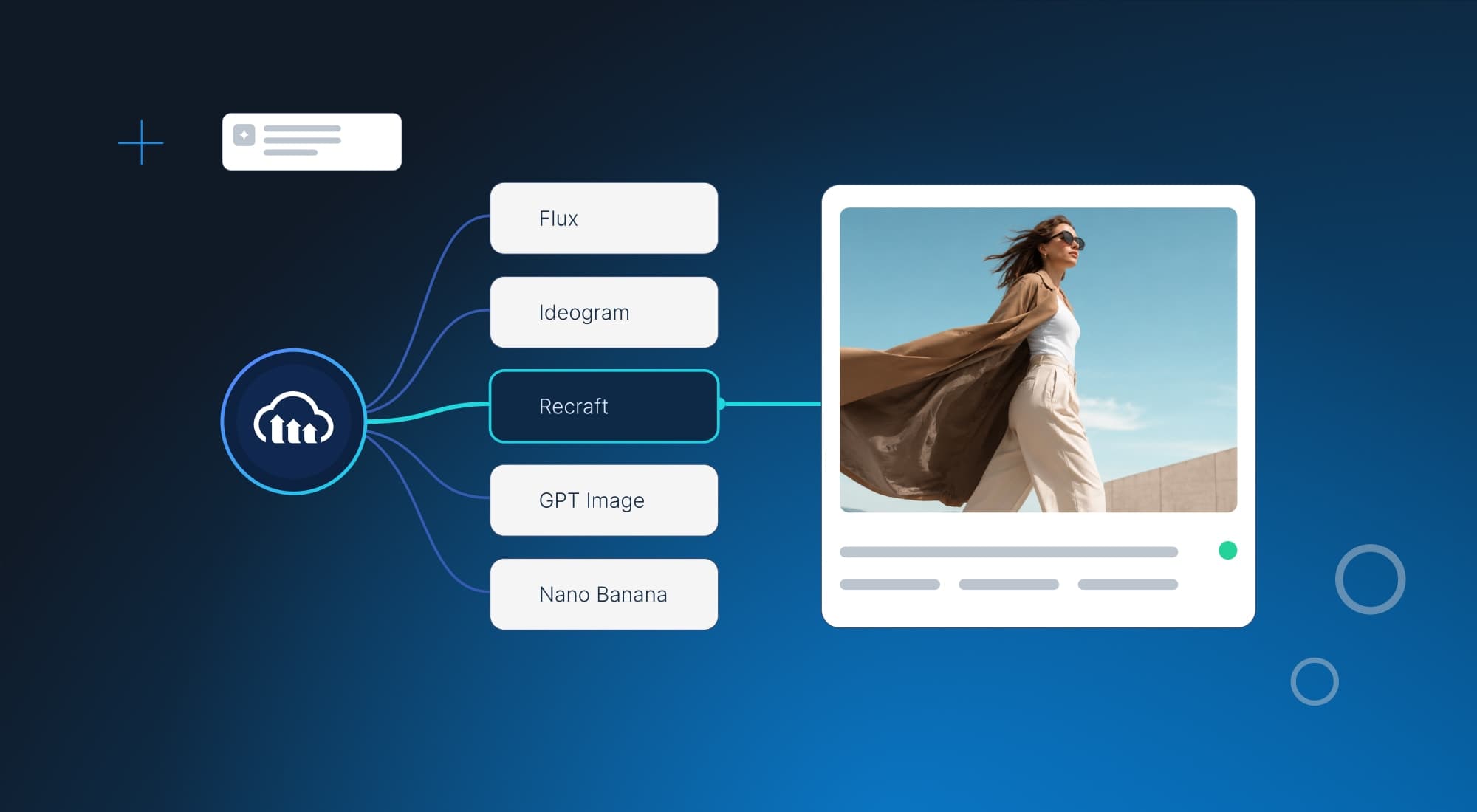
Developers stop choosing image models manually ↗
Every few weeks there’s a new image model everyone says you should be using: FLUX, Recraft, Ideogram, GPT Image. Each one has different strengths, different tradeoffs, and another decision for developers to make before they’ve even written a line of code. So when I started experimenting with Cloudinary’s new Image Generation API, I caught myself […] The post I Stopped Choosing Image Models Manually appeared first on Cloudinary Blog.
Read on Cloudinary Blog →TL;DR · Why it matters
Digital asset management versus content management ↗
TL;DR · Why it matters
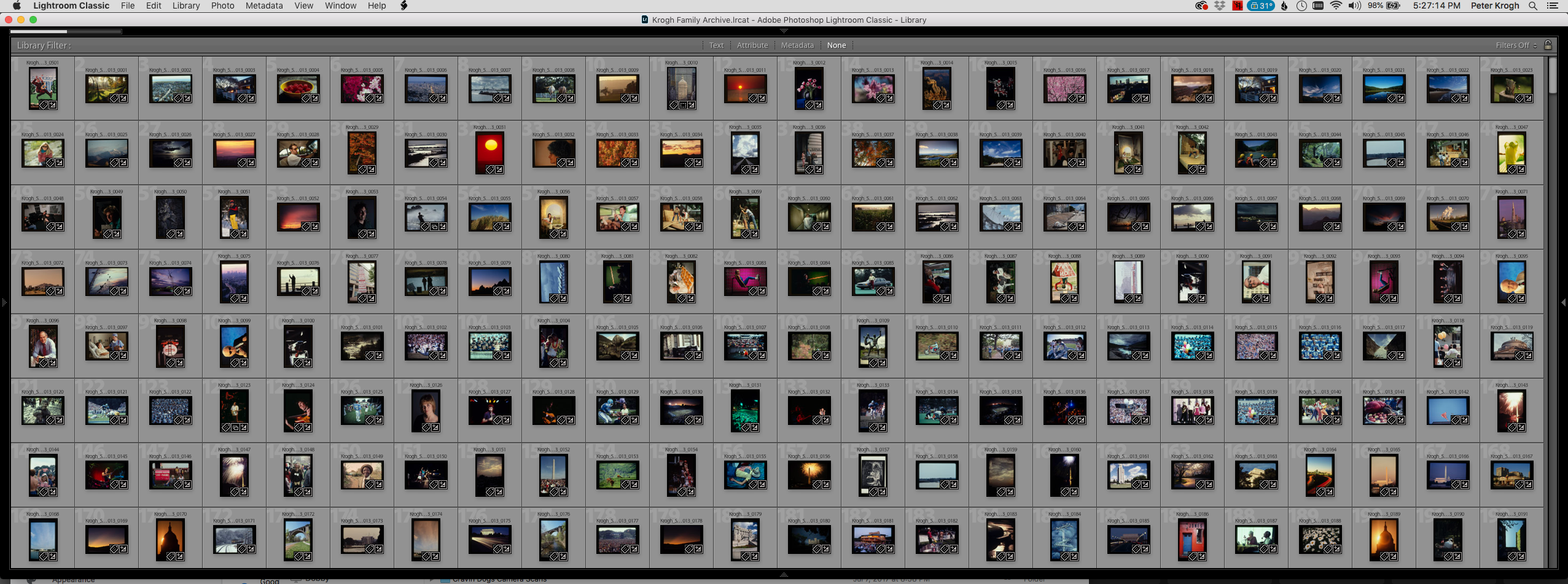
Rebuild Lightroom previews to save space and confirm integrity ↗
New article on Petapixel outlines the benefits of Lightroom preview rebuild. Improved speed, saved space and integrity checking. The post Rebuild Lightroom Previews to save space, add speed and confirm integrity appeared first on The DAM Book.
Read on The DAM Book (Peter Krogh) →TL;DR · Why it matters
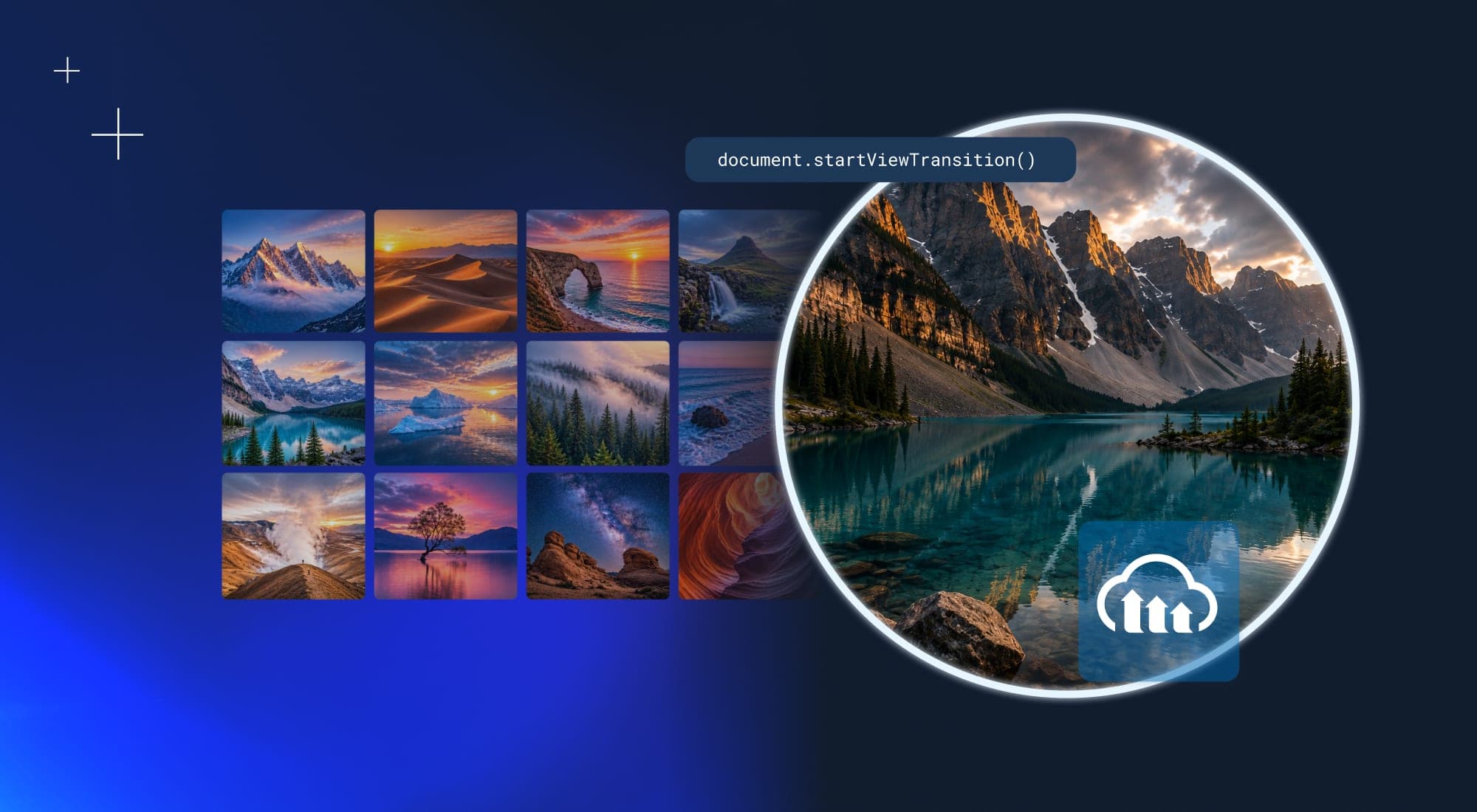
Buttery-smooth image gallery transitions with the View Transition API ↗
Frequently Asked Questions What is the View Transition API and how does it work? The View Transition API is a browser-native JavaScript API that animates between two DOM states. You call document.startViewTransition(callback), passing the DOM update as a callback. The browser captures a screenshot of the current state, runs the callback to update the DOM, […] The post Buttery-Smooth Image Gallery Transitions With the View Transition API and Cloudinary appeared first on Cloudinary Blog.
Read on Cloudinary Blog →TL;DR · Why it matters
Resource of the week
How to tell if your DAM is actually working
A diagnostic framework for evaluating whether your digital asset management system delivers measurable value or just occupies a line item.
Run the diagnostic →Field Notes
- StandardsIPTC Photo Metadata Conference 2026 session videos now available, covering AI platform behavior and real-world C2PA implementations.
- ConferenceSaudi Media Forum (February 2026, Riyadh) featured IPTC sessions on AI opt-out guidelines and media provenance standards.
What part of your workflow still requires a human checkpoint that probably shouldn't?